

A Budget Baby Registry: What To Get Now And What Can Wait
We may receive a commission on purchases made from links.
Many families describe expecting a baby as one of the most joyful experiences they go through; but for some, the months leading up to the arrival can also bring financial apprehension. With so many items required to make a home baby ready (and baby danger proof), parents describe the process as overwhelming when considering what to wish for on their registry. Others report feeling guilt when asking family and friends to contribute to big ticket items. Budget is top of mind for just about everyone — especially in current times, as inflation has driven the average cost of giving birth up from less than $100 in the 1940s to between $15,000-$29,000 today (via Peterson-KFF). So for those who feel better with a plan in place, we created a helpful guide on what's important to get right away, and what can wait a few months (or be skipped altogether.)
For starters, personal experience showed me that even friends and family members on strict budgets found joy in contributing. A few got together and split the cost of a high chair (the coordination and planning ahead actually floored me and showed how much they cared.) For others who wished to pitch in without breaking the bank, I made sure to add lower-cost items to the registry (like everything I'd need to piece together baby's first aid kit –- several bottles of Desitin, infant Tylenol, a bulb syringe, and a nasal aspirator.) Read on for a breakdown of more ideas.
What to get now: clothing
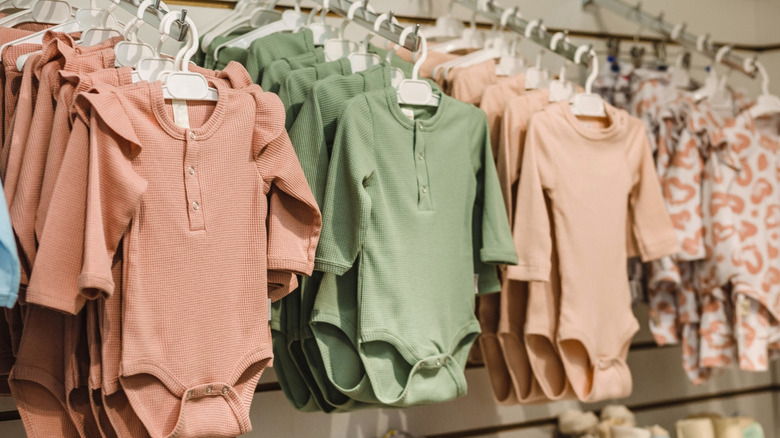
Clothing is the perfect item to request on a registry, as friends and relatives who shop baby outfits often describe the excited feeling they get when imagining the future little one in the outfits they select. As clothing items are relatively low cost (like this Carter's sweatshirt and joggers set on sale for less than $10), the contributor can easily control their spending and quantity. As a bonus, registering for clothing a size ahead can save money for you in the long run (aim for a mix of newborn, 3 months, and 6 months.)
What can wait: shoes
While the tiny shoes hanging in the baby clothing section are often irresistibly cute, smart budget-conscious parents take note that baby shoes are not essential. For the first several months, while parents mostly carry their babies from point A to point B, they can get by with thick, comfortable socks. It's not until the baby starts to walk independently that pediatricians recommend selecting their first pair of shoes — flexible but thick enough to protect them from stepping on painful materials both indoors and outdoors.
What to get now: bottles
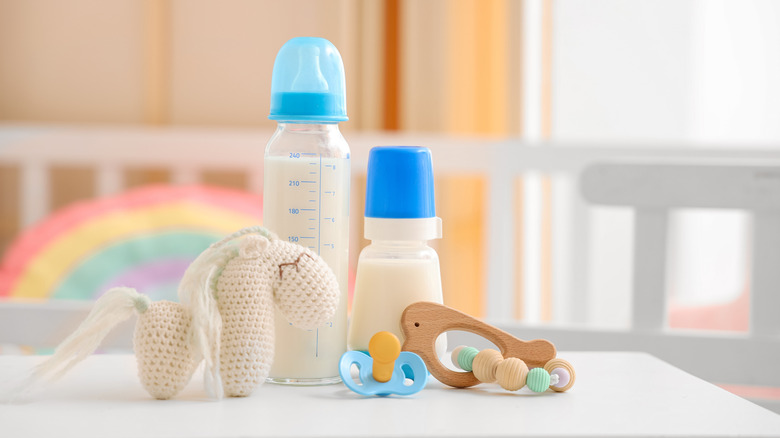
According to many new moms, bottles are an item of which you can't have too many (bonus if they're cleaned, sterilized, and ready to go to save work in the future when your baby is crying and hungry.) Even if you're planning to breast feed, it's smart to stock bottles, just in case you need to make an unforeseen adjustment to your plan. Veteran moms on Reddit recommended a bottle sampler kit which allows parents to test out bottle shapes, nipple sizes, and flow speeds to find the best fit for their baby's preference.
What can wait: bottle warmers and wipe warmers
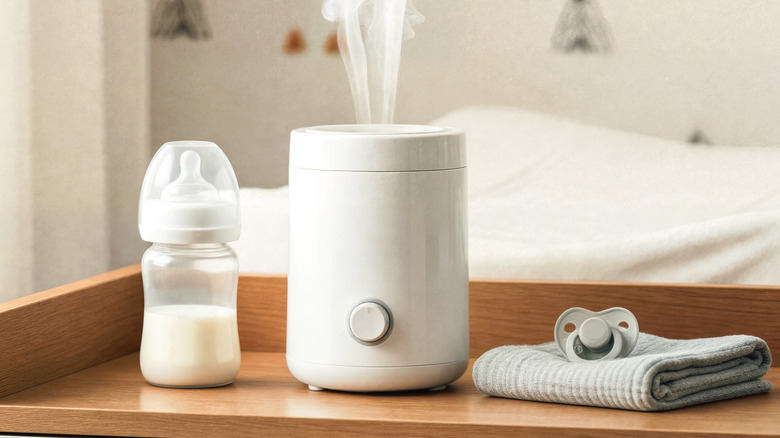
Our research has shown there are disadvantages of using a bottle warmer – they can be expensive, difficult to clean, and at the end of the day many parents report their babies are content with drinking room temperature or even cold milk. Similarly, wipe warmers (which are marketed to keep a baby's bottom warm and prevent them from crying during changes) are considered unnecessary by many moms, like a group of Redditors at r/BabyBumps who pointed out disadvantages like potential for bacteria growth and temperature dependency for comfort.
What to get now: infant or convertible car seat
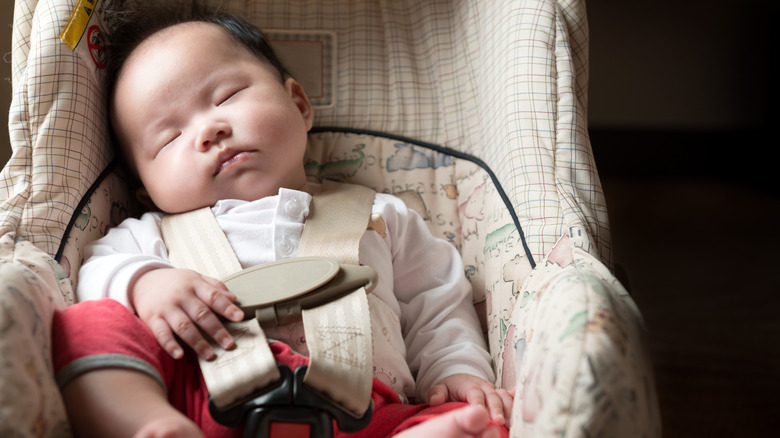
A proper rear-facing infant car seat is an early necessity, and if you're planning for a hospital birth, you'll need to secure one before going into labor (some hospitals require staff to check the setup inside your car before sending you home with your baby). Budget-conscious families can choose to purchase an infant car seat individually, or as part of a travel system (like this Graco 6-in-1) which allows the car seat to snap into a stroller with several settings — saving a future purchase.
What can wait: upright stroller
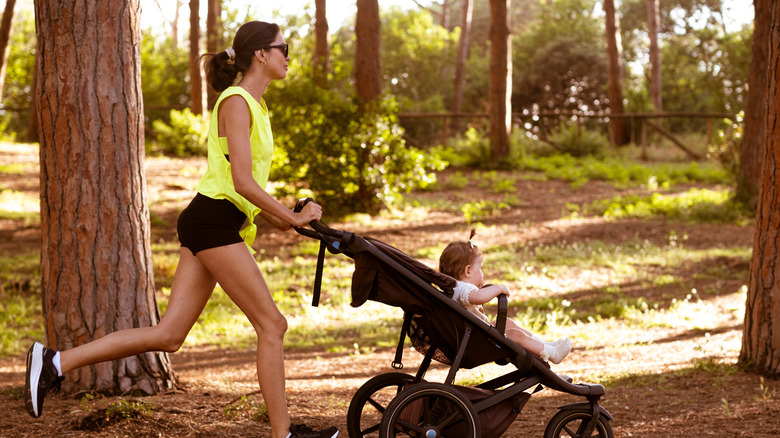
While travel systems can be a good buy, some strollers offer only an upright or slightly reclined seat, which babies cannot sit in comfortably or safely until they reach about 6 months old can sit independently, and gain significant control of their neck muscles. When it comes to jogging strollers, although some fitness-minded new moms report wanting to return to running as soon as possible, it's safest for the baby to wait 6-8 months to bring them along for the workout.
What to get now: bassinet
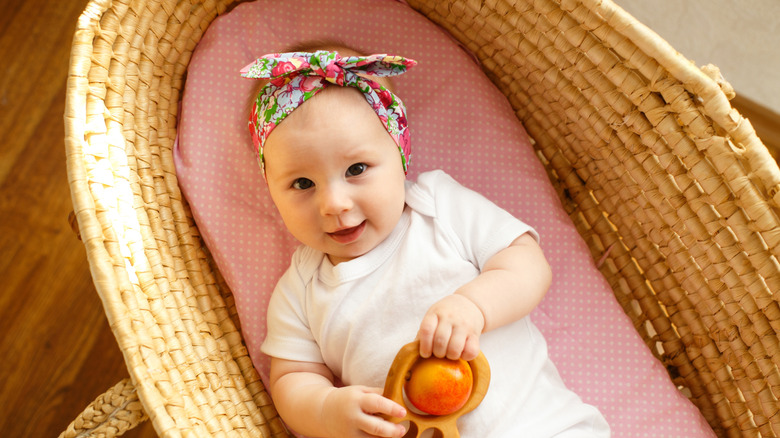
When it comes to baby sleeping, many parents weigh the pros and cons of a full-size crib vs. bassinet. And while a crib can last longer into toddlerhood, we think the bassinet is a smart choice alternative for budget-conscious families. Many are portable, like the Kinder King Bassinet with wheels, which costs about $100, compared with a crib which can cost up to $1,000 (or more) and can't be relocated. If using a bassinet, infant sleep safety experts recommend nothing but a firm mattress and a tightly fitted sheet (blankets can come after 12 months.)
What can wait: high chair
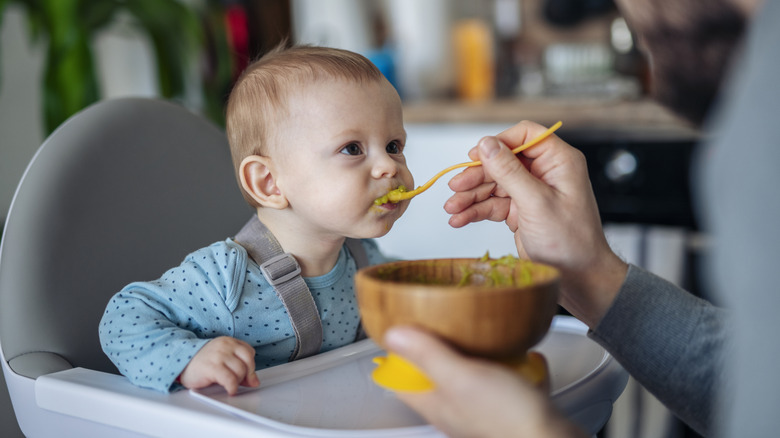
The high chair is one item parents often seek recommendations and register for right away, but we'd argue it's not an immediate necessity. Because babies shouldn't be placed in a high chair until about 6 months old (or until they can safely sit upright), the high chair can be saved for a later purchase. Some families skip the high chair entirely, like the Reddit parent who said when their high chair with their first baby didn't impress, they switched to a booster seat with a tray setup (which took up less space).
What to get now: diapers
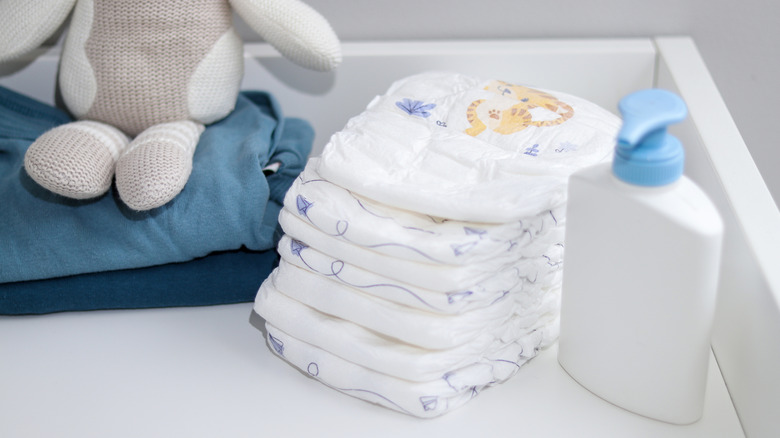
Parents weighing in on baby planning note frustration and apprehension when deciding which diapers to choose (Will their baby have sensitive skin? Will they size up too quickly?). But sampler packs (like the Diaper Dabbler) exist, and, as Instagram user @breecouponqueen3 demonstrated, stores like Walmart and Target exchange unopened diaper packages for store credit if the brand or size is not ideal — even in some cases without the receipt. We'd argue you can never have too many diapers; and — just like with clothing — it pays to buy them a size or two ahead.
What can wait: changing table
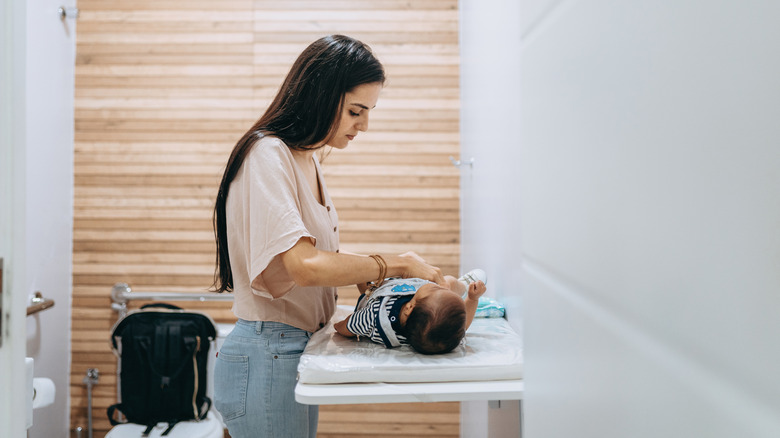
While a changing table might sound like a necessity, most are solid and stationary, rendering them impractical considering many diaper changes will occur on-the-go (according to a Munchkin survey, 94% of parents reported changing in the car.) For a lower-cost option that travels with you, opt for a portable changing pad that's easy to clean with a wipe down, like the Pronto Signature Changing Station, which includes its own wipe case and folds into a cute wristlet.