

Can Babies Drink Cold Breast Milk?
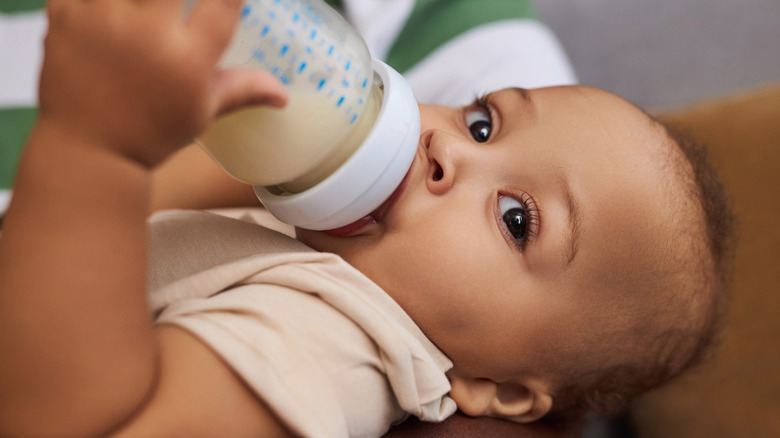
Babies who feed exclusively at the breast are used to drinking body-temperature milk. However, that doesn't make it a requirement to serve expressed breast milk at a temperature in the upper 90s. Drinking cold breast milk is completely safe, and it can help babies acclimate to drinking milk at different temperatures. This can come in handy if you or others will be feeding your baby in different environments where it may not always be possible to heat your milk. While some babies prefer bottle-feeding to be as close to the breastfeeding experience as possible, others like to go in the opposite direction.
Serving cold milk can be a nutrient saver, too. Breast milk is a complex blend of hydration, carbohydrates, protein, fat, vitamins and minerals, beneficial bacteria, and immune-boosting properties. Some temperature-sensitive components are eliminated starting at 106 degrees Fahrenheit.
Although freezing can impact breast milk's components slightly, it can be a necessary tool to extend the milk's storage life. When you use frozen milk, it just needs a gentle thaw. This process can happen in the fridge, or you can run a bottle under warm water to speed up the process. However, thawed milk is only good for 24 hours, and refrigerated breast milk lasts up to four days before it has to be consumed or frozen. Cold breast milk can also be a welcome choice for teething babies. In that case, they might enjoy partially thawed milk that has a slushy-like consistency, especially if they're old enough to be fed using a spoon.
Warmed milk can be beneficial in some instances
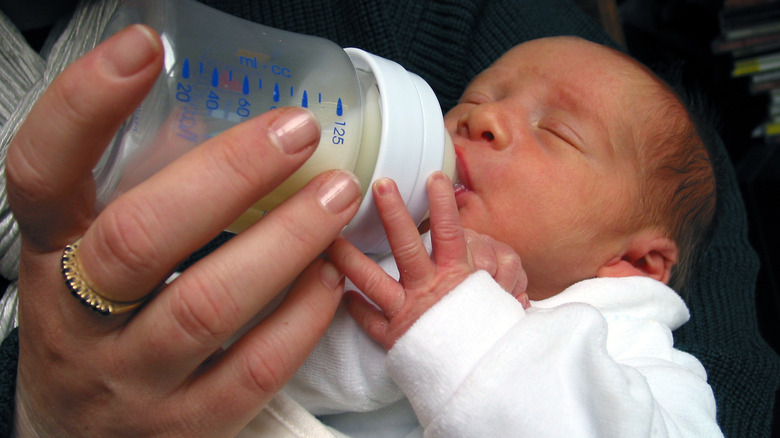
While serving cold milk can also be a timesaver when caring for a hungry baby, in some cases, it's advantageous to take the time to gently heat it, especially if that's what your baby prefers. Warmed milk is also important for premature babies, either for comfort in a stressful environment or to allow their bodies to reserve their strength for growing rather than warming the milk. For babies who are in the NICU, some hospitals even have special warmers designed to provide optimal heating without impairing the temperature-sensitive components in the breast milk.
When you're home with your baby, refrigerated milk can be heated by placing the container in warm water or by putting the baby's bottle in a dedicated bottle warmer for breast milk. Microwaving is never recommended. Anyone who's reheated leftovers can relate to the nuisance of too-cold and too-hot areas within their meals, and this issue can be a potential burn hazard for babies' mouths.
Whether you serve your baby warm or cold breast milk, it's important to prevent germs from getting into the expressed milk. If combining freshly expressed and refrigerated breast milk, always let the fresh milk cool in separate containers first. Whether you're pumping with an electric pump or expressing manually, be sure to wash your hands first and make sure you clean your pump properly.