

I'm A Preschool Teacher — Please Don't Push Your Child To Read Early
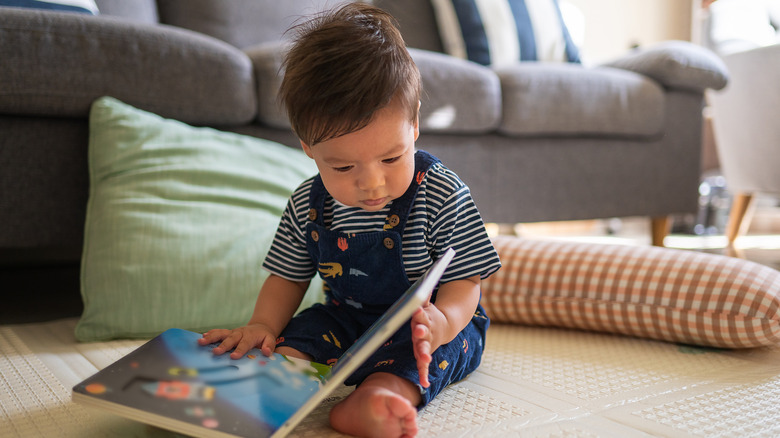
Whenever we hold an open house for prospective families at my preschool, I know I can expect to hear a lot about their children's literacy skills. "Gantry can spell his name, and I'm starting him on sight words," one mom might say. Others worry their kids are falling behind: "Kamlyn doesn't know the whole alphabet yet. Is that okay?" Online, it's the same story. Scroll down the parenting groups on Threads for a while, and you're guaranteed to find an overachieving mom: "I want my child to read by kindergarten," they'll announce. "I read books to them, give them worksheets, work with an alphabet app, and I'm thinking of hiring a tutor. What else should I be doing?"
My answer: Chilling out. Big time.
Reading is both an essential life skill and a delightful one. It opens up worlds of information and imagination. It's amazing to watch your little one progress from hesitantly sounding out words to getting totally lost in a book. But pushing a child to read at 3 or 4 years old, long before they're developmentally ready, often leads to frustration for everyone. Worse, it may turn a potentially eager reader into a reluctant one.
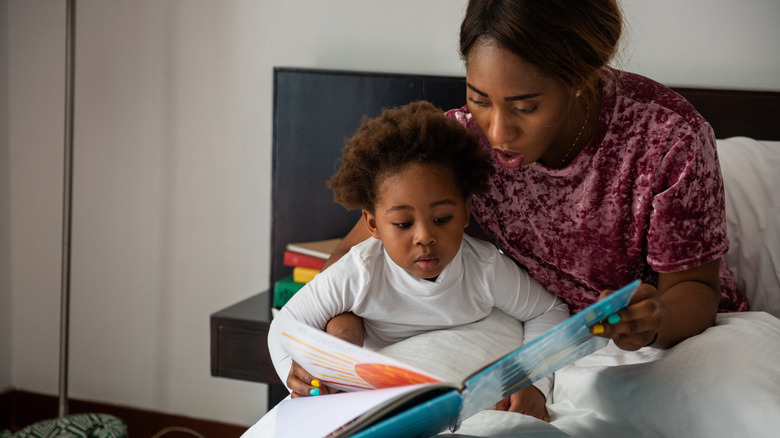
You began teaching your child to read from the moment you held them on your lap and showed them a board book. Reading aloud, pointing at pictures, and asking questions ("Where is the cat?") is not only fun for a toddler, it also teaches them that books contain words and information. From there, children need to distinguish the sounds that letters make both individually and in combination (also known as phonemic awareness). Singing rhyming songs and reading books like "Hop on Pop" are more valuable for a preschooler than drilling them with flash cards.
Reading should be fun, not rushed
Looking at a typical daycare or preschool classroom, you might think it's just a place to have fun. And it is! Young children learn best through play. But look more closely, and you'll see the building blocks of literacy: a library corner; a daily read-aloud time; toy shelves labeled with words and pictures; name tags and attendance cards for each child; magnetic alphabet letters and play dough stampers. At circle time, you might hear the teacher playing "Willoughby Wallaby Woo," a rhyming game using the students' names. When a child draws a picture, the teacher might tell them to describe it and write down their answer: "You said, 'This is me and my mommy.'" These seemingly simple practices help prepare children for more advanced reading skills, such as decoding, that they'll learn later on.
When parents ask me how to help their preschool child read, I assure them that most children don't begin to read simple words until about age 5 or 6, and then read with fluency a year or two later. In the meantime, I suggest simple age-appropriate activities. Practice the sounds of individual letters, being careful not to add an extra sound to consonants ("d," not "dee" or "duh"). Ask your child to find the letters of their name in other places, like street signs or food packages. Show them how you use written words yourself, such as following a recipe while you cook.
Most of all, I tell parents: Put down the worksheets and pick up a book. Let your child get lost in the magic of a story and share in their excitement. They may not be reading on their own by kindergarten, but they'll have a good head start — and have fun doing it.