

Intensive Parenting Is Completely Destroying The Village Mothers Need
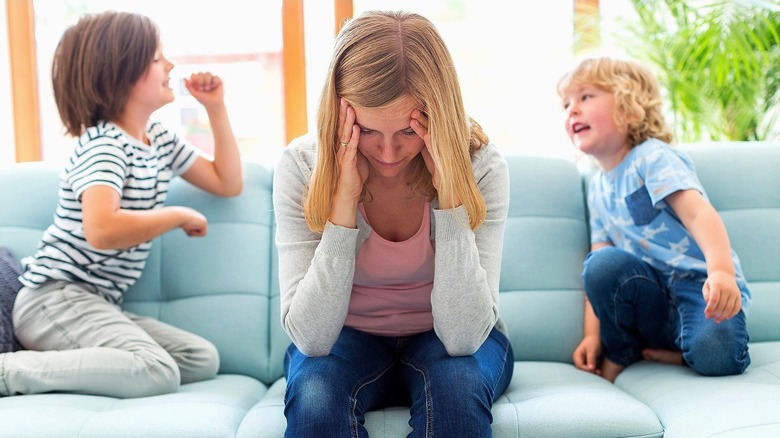
As a mother, do you often wish you had more supportive adults in your corner to back the constant decision-making that comes with being an overly mindful parent? For better or worse, I categorize myself as an intense, deeply empathic, chronic over-thinker, so naturally, I became an intensive parent when my first child was born in 2015. I'm the mom who co-slept with her children, made homemade baby food, and now limits screens, plans family art projects, and makes sure my children are regularly involved in activities they enjoy. However, this fall, when my kids made the transition from homeschool to public school, I didn't realize how many of my decisions were keeping me (and my family) from cultivating the support system we need.
There was once a time when my intensive parenting style didn't accommodate other adults. Intensive parenting involves placing a child's well-being and success in life higher than all other priorities. Intensive parents spend considerable time making sure their children are satisfied and thriving in all aspects of life — sometimes to the parents' own personal detriment. A part of parenthood that's never been normal is the unhealthy amount of sacrifice that exists in our society. Yet intensive parenting only perpetuates this exhausting ideology.
Sociological data from the American Time Use Survey (ATUS) via The Institute for Family Studies show that modern parenting has shifted toward a highly scheduled, all-consuming framework. Even though intensive parenting ensures children receive high levels of direct care, it starves parents of the time they need to build friendships and greater community support for their families.
The not-so-obvious effects of intensive parenting

While many parents nowadays believe intensive parenting is the right way to raise children, the responsibilities that come with this type of child-rearing leave parents — particularly mothers – overworked, emotionally drained, and lonely. In the thick of my intensive parenting days, I suffered from maternal essentialism: the belief that I was the only person who could properly care for my children in the way they deserved. By holding this belief, I was less likely to allow a friend to watch my kids, drop them off at a class, or worse, leave them at home with their own father.
According to a 2022 qualitative study, essentialism during the pandemic caused mothers to experience more mental exhaustion and maternal guilt — especially in times of crises. If you constantly believe you're the only one who can rightfully care for your children, you'll never feel comfortable relying on others for support. What's worse: mothers who believe and practice intensive parenting are more susceptible to anxiety and stress. A 2024 Worcester State University study linked intensive parenting to poor mental health outcomes, particularly depression.
Unfortunately, you can't do it all, and the cost of trying can affect your kids as well. Research shows that children prosper when they have a range of supportive adults in their lives. For me, personally, I didn't realize the amount of positive exposure my kids would have to other adults until they entered the public school system.
How to align your parenting style with the community you want
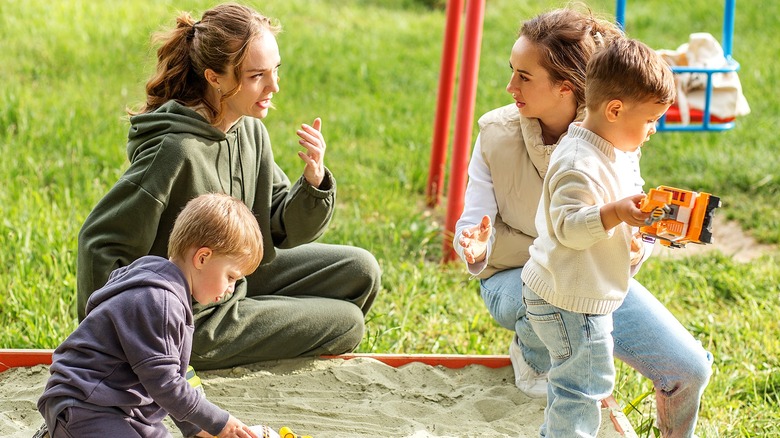
The first step in cultivating the village you've been looking for is relinquishing some of the control you hold over your kids' lives. This doesn't mean you become less important to them or have less say regarding their rules and limitations. However, loosening your proverbial grip has more to do with developing trust with other adults in your immediate community. I personally didn't start to feel comfortable doing this until my kids understood the meaning of consent.
Once all three were above the age of 5, and particularly when they started public school, I started to trust more families and neighbors. I did this by building rapport with other parents walking to and from school and at neighborhood events. I discovered that just because certain families function differently from my own, it doesn't mean we can't foster community together and rely on one another to build a safe and supportive network.
In the last few months, I have begun to see positive changes in what I thought intensive parenting could achieve alone. My kids can now go to one of many houses in the neighborhood, and if there's an issue, I feel comfort knowing their parents will reach out to me. The same applies to my home and their kids as well. Even though releasing the hold on your kids' every move is difficult, you may be surprised to find that being "parent of the year" is less important when you have a network of like-minded parents behind you.