

Can Toddlers Use Fluoride Toothpaste?

To ensure your growing toddler has cavity-free teeth, you may wonder when they can start taking preventative measures to keep their mouth healthy. Apart from stressing over what age your kids can switch to an electric toothbrush, you may also want to know if your toddler can use fluoridated toothpaste. The U.S. Centers for Disease Control confirms that fluoride toothpaste is safe for anyone over the age of 2 (as long as it's safely administered).
The American Dental Association recommends the same guidelines, stating that children between the ages of 2 and 3 can use fluoride toothpaste twice a day. However, the amount used should be no larger than a tiny grain of rice. Between the ages of 3 and 6, a small dab (the association compares the amount to the size of a pea) is recommended. Dr. Sandip Sachar, a general and cosmetic dentist at Sachar Dental NYC, says fluoride toothpaste is especially important for toddlers. "Fluoride helps make the outer layer of teeth (enamel) stronger and more resistant to cavities," she said. "It can also help repair early areas of enamel damage before a cavity fully forms via a process called re-mineralization."
Although your toddler can use fluoride toothpaste at age 2, Sachar says there is one significant issue. "The concern with repeatedly swallowing excessive amounts of fluoride toothpaste while the permanent teeth are still developing is dental fluorosis, which can appear as a faint white marking on the enamel, and this is permanent," she said. To help prevent the ingestion of fluoride, Sachar recommends taking a proactive approach to brushing. "I tell parents that they should put the toothpaste on the child's toothbrush themselves, supervise the brushing, and gradually teach the child to spit and rinse rather than swallow," she said.
Why do holistic dentists not like fluoride?
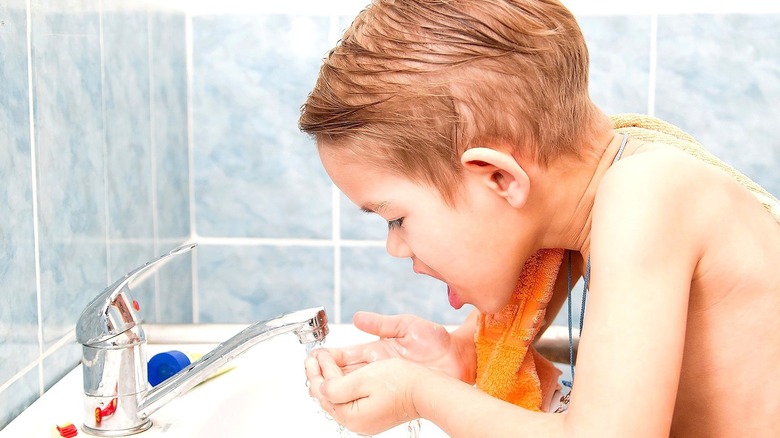
Many holistic dentists avoid using fluoride because of its potential buildup in the human body. The concern is that a small amount swallowed over an extended period of time can lead to possible long-term health issues. For instance, a 2025 meta-analysis cited a link between children who ingested high levels of fluoride and low IQ scores. Some holistic dentists also say there isn't enough evidence to prove fluoride is beneficial.
Although fluoride is a naturally occurring substance, it's regularly added to drinking water and oral hygiene products because it strengthens enamel while reducing acids caused by the bacteria responsible for tooth decay. However, more states have begun banning fluoride in drinking water, with Florida and Utah removing it in 2025, citing potential risks to children's health. Experts remain divided, with some institutions like the University of Minnesota stating there is no scientific evidence that proves regulated levels of fluoride in drinking water cause harm to children's cognitive development.
If you choose to use fluoride toothpaste on your child before the age of 2, the CDC recommends consulting with your dentist. When shopping for fluoridated toothpaste, Dr. Sandip Sachar advises choosing a brand with an ADA Seal of Acceptance, so you know your toothpaste-of-choice meets quality and safety standards. She also recommends staying away from sugary foods and drinks, since these types of snacks can lead to cavities early in childhood. "Beyond toothpaste, the habits around brushing and diet are just as important," she said.