

What Age Can Kids Switch To An Electric Toothbrush?
We may receive a commission on purchases made from links.
From the time your baby celebrates the milestone of a first tooth, keeping those teeth clean becomes part of the daily routine. While a manual toothbrush makes sense in those early days, as kids grow, brushing can sometimes turn into a twice-daily battle. To make things easier and more fun, an electric toothbrush seems like a winning option. But given the different recommended ages on the various brands and models, when is the right time to make the switch?
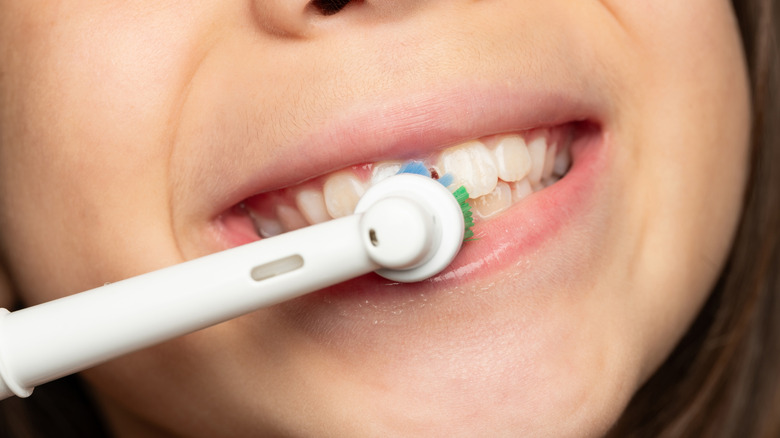
Among pediatric dentists and some brush manufacturers, the general consensus is that age 3 is the youngest for going electric. However, some dentists prefer waiting until age 6 or older when they develop the motor skills needed to navigate using the rotating and vibrating brushes.
Electric toothbrushes can be a real game-changer in keeping kids' teeth clean. As they grow and start accruing permanent teeth, the stakes are higher in keeping those pearly whites cavity-free. According to a 2019 study in the International Journal of Paediatric Dentistry, electric brushes were better at banishing plaque. The numbers were pretty significant – 32.3% more plaque for kids ages 3 to 6, and 51.9% for kids 7 to 9. Of course, proper technique is key, and young kids benefit from adult assistance, not only to prevent a messy motorized experience, but also to make sure they are reaching all areas of their mouths. In that 2019 study, parents took the lead in brushing for the 3- to 6-year-olds. Although the 7- to 9-year-olds performed the task independently, parents kept a watchful eye and made sure they did a thorough job with brushing.
What is the best electric toothbrush for kids?
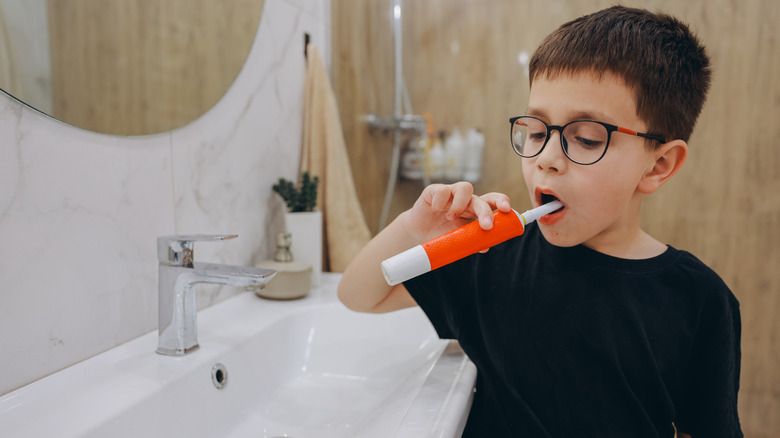
There's a lot to love about integrating an electric toothbrush into your kid's daily routine. During the recommended two minutes of brushing, some kids' electric toothbrushes deliver tens of thousands of brush strokes, which is pretty mind-boggling. Some models have a timer to help kids split brushing evenly throughout their mouths. For kids who have braces, teeth cleaning (including flossing) gets more complicated. Fortunately, electric toothbrushes can be used with braces and can make the new dental care routine a lot less arduous. Despite electric toothbrushes' reputation for a powerful clean, they can actually be gentler than a heavy-handed manual brushing style.
However, at the end of the day, the best toothbrush for your kids is the one they will use willingly. While manual brushing has considerably fewer strokes, it can still be highly effective. Depending on the kid, some electric toothbrush pros can turn into cons. For instance, kids with sensory sensitivities might find the vibrations of the brush head and handle overwhelming. For sensory seekers, these vibrations could make an electric toothbrush more appealing.
Since electric toothbrushes vary in price, parents may want to try out a less expensive model, such as this Oral-B Kid's Battery Toothbrush featuring Marvel's Spiderman, as a cost-effective experiment. Then, if they determine their kid is a fan, they can upgrade to a model with additional features, like this Philips Sonicare Bluetooth Connected toothbrush. Some models offer different-sized heads for growing mouths, easy-grip handles, or stickers for customization. In addition to sonic options, there are brushes with rotating heads. While each provides a distinct feel, they are all effective at getting the job done.