

After Another Child Hurts Yours, Here's How To Talk To Their Parent

If your child has experienced verbal, social, or physical harm or bullying, you know how difficult it is as their parent. It's also sadly not uncommon. In a study by UNESCO, 32% of students said they had experienced bullying at school in the past month, and while it's important to teach kids to advocate for themselves, talking to the other side's parents is sometimes necessary. This can be tricky and uncomfortable, but that's why it's also helpful to develop a plan — and often, the first steps are the easiest. Start by talking openly with your child and keeping yourself calm.
According to Raelynn Sanchez, therapist and owner of Affirmations and Gratitude Counseling in Warren, Michigan, opening up lines of communication with your child is an absolute must. "Before reaching out, listen to your child, gather relevant information, and avoid making assumptions about the other child's intentions," says Sanchez, who adds that this should help you understand if it's a one-off conflict or if there's a pattern. "A one-time disagreement may be a typical part of childhood social development," she explains.
Once you've determined it's time to step in, Robin Quinn Keehn, certified mediator and author of "Stop Stealing From Yourself," advises settling your own nervous system first. Do this before picking up the phone or arranging any meetings, because feeling clear-headed will help you approach the conversation with resolution in mind. "If you're still feeling angry or heated, wait a day," says Keehn. "Then open with what you've noticed, not what you've concluded."
Keep the conversation clear, focused, and neutral
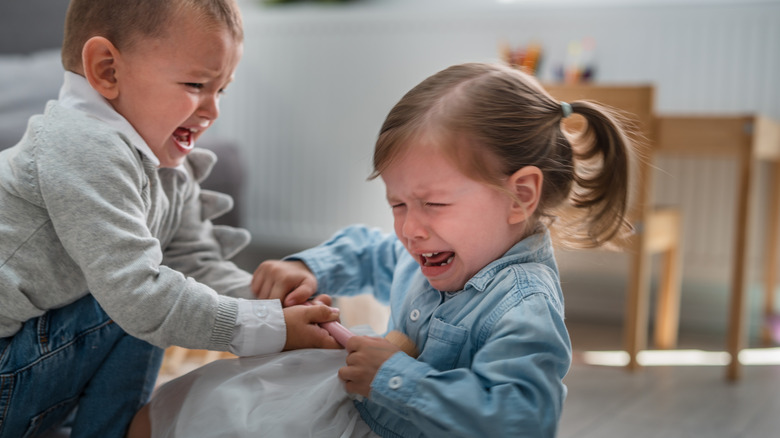
When talking to the other parent, Raelynn Sanchez suggests staying focused on understanding — not accusing. "The goal is to encourage accountability, empathy, and positive behavioral change while maintaining respectful communication between parents," she explains. You should also choose a private setting for the discussion and signal your interest in their perspective. "Statements such as 'I would like to discuss something my child shared so we can better understand the situation and determine the next steps' can help establish a collaborative tone," notes Sanchez.
It's also a good idea to enter the conversation with detailed examples. This will help you avoid using language that might send the other parent on the defense. "Describe specific incidents, explain their impact, and communicate clear expectations for moving forward," Sanchez says. "Addressing a child's behavior does not require shaming the child or attacking the family."
It helps, too, if you assume the best of the other family. They may have no idea what's happening between the kids. "Go in with a goal for the children, not a verdict about their child," says Robin Quinn Keehn. "You're not going in to make a case. You're there to solve a problem together." And if you're not met with kindness and empathy, don't try to change the other parent's mind. "Close the conversation calmly: 'I hear you see it differently. I'm going to keep an eye on it,'" says Keehn. "Bring in the teacher or school when it happens at school, continues after you've talked, becomes physical, or your child doesn't feel safe."
What to do if the conversation fails
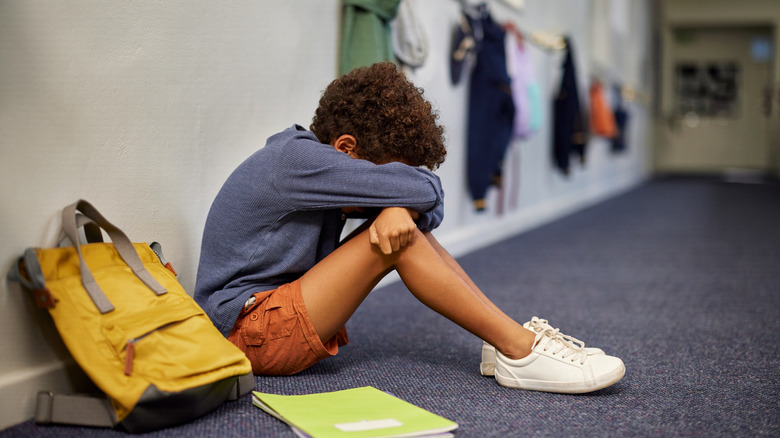
When one of my kids was little, we had a few incidents with a classmate that led to anxiety about going to school. Unfortunately, I knew from previous interactions with the other parent that we were never going to see eye-to-eye. Raelynn Sanchez says these are clear signs to tag in school support. "When incidents occur at school or involve classmates, parents should contact the teacher, school counselor, or administrator when the behavior is repeated, affects the child's emotional well-being, or cannot be resolved through direct communication."
In our case, the teacher and I each began documenting everything, and she separated them in class as much as possible. Sanchez confirms this approach. "Document relevant incidents, including dates, descriptions, and previous communication," she says. "Ask school personnel to clarify the steps they will take to address the concern and support the child's safety." Our teacher also agreed it was best if the school handled any interactions with the other family on our behalf.
I soon learned the other parent was upset I'd gone to the school without contacting them first, but I did what my gut said would be the most effective at the time — and Sanchez supports doing whatever will yield the best support for your child. "Ultimately, parents do not need to reach an agreement with another parent before advocating for their child's well-being," says Sanchez. "The priority is to address harmful behavior, establish appropriate boundaries, and ensure that children receive the support they need."