These Baby Names Are Banned In Some States And Countries
As you consider potential names for your little one, you might feel like the world's your oyster. With headline-making celeb baby names like Apple, X Æ A-Xii, and Exa Dark Sideræl, it certainly seems like there aren't really any rules. This, however, is not the case. In fact, there are different guidelines and parameters you have to follow when it comes to choosing a baby name, whether you live in the United States or elsewhere in the world.
Of course, the pressure to pick the perfect name for your baby is real. For many parents, the goal is to find something strong and memorable. For others, they want something unique that has a personal story or connection. In countries like Portugal and Iceland, parents are guided toward picking culturally relevant names from an approved list. But in the U.S., many states determine their own rules, and limitations are often set to avoid future embarrassment and to make any future paperwork easier. Here are some names — some may even surprise you — that you may have to cross off your list.
Baby
Fans of "Dirty Dancing" know that Baby was the nickname for Jennifer Grey's character, Frances Houseman. But even if her parents had wanted to name her Baby, they might not have been allowed. In Arkansas, this name and most associated alternatives, such as BabyBoy, BabyGirl, and Infant, will be rejected. Although there is no federal law against the name, the U.S. Social Security Administration also lists it as problematic, making it more difficult for parents to register their baby for their Social Security number.
Nutella
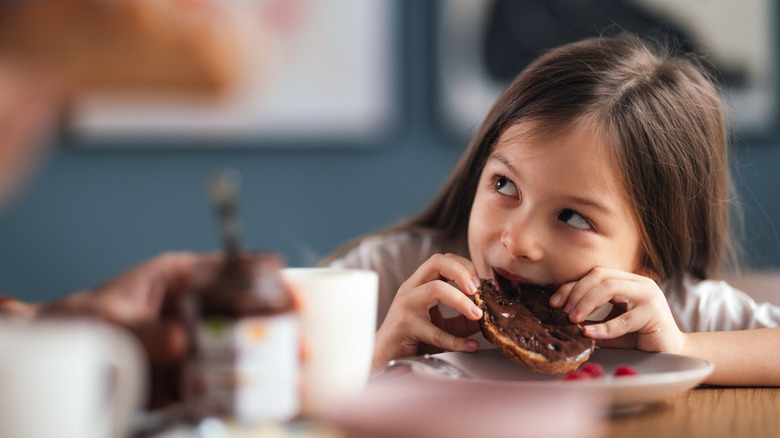
If you're having a baby in France, you cannot legally name your baby Nutella. As beloved as the chocolate-hazelnut spread is in the country, a judge ruled the name unsuitable in 2015 out of concern for the child's reputation and happiness — and this isn't the only name that's been banned in the country. Other rejected monikers include Fraise, which is French for "strawberry," and Joyeux, which means "happy."
Emojis
As common as emojis have become in our daily lives, parents in the U.S. can't use one as their baby's legal name. For the avoidance of further confusion, this also extends to pictograms and symbols. And if your mind goes to Prince's name change to the "Love Symbol," that was just for the stage — legally, his name remained Prince Rogers Nelson throughout his life.
No Name
For the same reason that "Baby" or "Infant" won't do, parents in the U.S. will have a difficult time getting their child a Social Security card with the name, "No Name." This includes similar alternatives, such as "Unnamed" and "Unknown." If you opt not to give your child a name because you can't agree on one, that will remain blank on the birth certificate until you can agree — or a court chooses one for your baby.
Abnormally long names
Depending on your state, your baby's name might be limited by character length. In New York, you can't exceed 30 letters or characters in a first or middle name, while Arizona allows parents up to 141. However, this rule doesn't apply in all states. In Texas, a baby was born in 1984 who boasts a name that's 1,019 letters long.
Obscenities
For good reason, parents are generally not allowed to name their baby anything obscene, with states like New Jersey and Nebraska prohibiting their use. On the other hand, Kentucky proudly claims no naming restrictions whatsoever, as do Delaware, Montana, and Maryland. Obscene or offensive names will also face pushback in countries like Australia, the United Kingdom, and Canada.