

Gentle Parenting Sounds Lovely Until It's Too Late
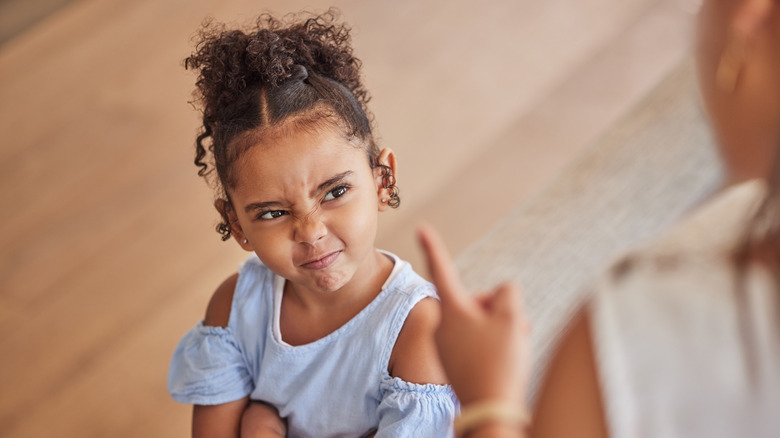
If your algorithm is full of parenting content, then you're probably familiar with the concept of gentle parenting. At its core, it's a methodology that focuses on guiding children with empathy and respect while also encouraging independence and autonomy. If the selfie videos are to be believed, gentle parenting is the kindest, fairest way to raise kids — but these videos also tend to ignore the behavioral repercussions of gentle parenting gone wrong. When misinterpreted or used with high-energy or strong-willed kids who respond best to clear, defined structure, the results of gentle parenting can be maddening.
Over the summer, my family and I went to a small, volunteer-run museum near our house. Shortly after we arrived, we were shocked to find six children, ranging in age from 2 to tween, shrieking, running, and knocking into other visitors. This was happening exclusively in rooms with no staff present, and many of the other patrons were elderly. When it got so out of hand that I finally asked them to please calm down so everyone could enjoy the space, it wasn't the kids who were set straight by either of their adults. It was me. "They're behaving like children, and I don't believe in repression!" the woman hissed at me. "I believe in gentle parenting!"
Obviously, this was an extreme case. Not all parents who subscribe to the concept of gentle parenting are this entitled and misinformed, but it's certainly been co-opted by plenty of people who are. And when taken at its full face value, this approach to gentle parenting can have major, serious implications.
Signs it's not actually gentle parenting
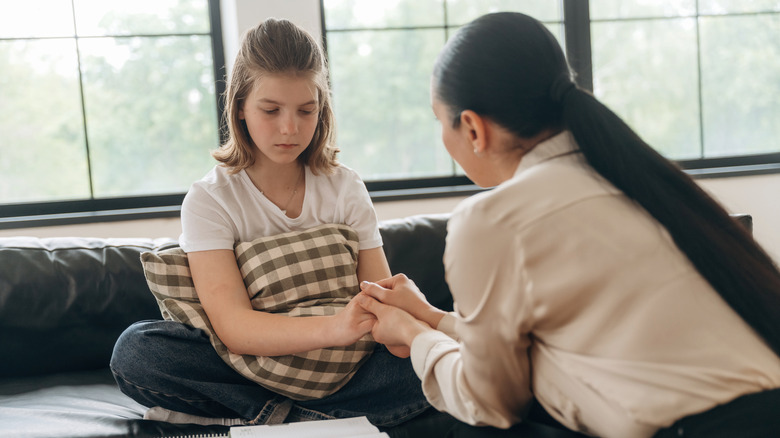
Author Sarah Ockwell-Smith coined the term "gentle parenting" in the mid-2010s, but the concept is built on principles first established in the 1920s by child psychologist Dr. Alfred Adler. The foundations are admirable, but I firmly agree with critics who fear the version we're collectively seeing now doesn't properly prepare children to function in a shared environment. In a video from British schoolteacher Lee Parkinson, the best-selling author says this trendy interpretation of gentle parenting is making teaching harder. "I think social media has gotten ahold of it, rebranded this gentle parenting where it's stripped away the boundaries a bit," he said. "And what is left is this idea that you never let your kids feel uncomfortable, never let them face a consequence that might upset them."
It's exactly this lack of boundaries I find most frustrating. Without consequences, the subtext I get from gentle parents is that their child's happiness and comfort is the priority — even if it comes at a cost to everyone else's. But what they also don't seem to realize is that when children are enabled to do as they please, this isn't gentle parenting. It's permissive parenting, which looks a lot like gentle parenting without the rules. And, unfortunately, it's not easy to correct. All too often, these kids become self-centered adults who cannot handle being told "no."
What permissive parents most need to understand is that the opposite of gentle parenting isn't force or — according to the woman I met at the museum — repression. Empathy and autonomy are incredibly important, but so are reasonable consequences for bad behavior that doesn't change with gentle redirection. Otherwise, as we're seeing more and more, the products of bad, gentle parenting crumble in structured environments, and everyone suffers.