
9 Common Pregnancy Myths It's Time To Let Go Of
It seems like everyone has a piece of advice to offer someone who is pregnant, from friends to older relatives to strangers on the street. But before there was social media to ask, each generation passed down "old wives' tales" to the next generation about the things you should and shouldn't do when you're pregnant. While modern science has debunked a lot of them, sometimes you still may wonder if these myths should be believed anyway. And boy, are there a lot of them out there.
Many of these myths have to do with how you look, things you eat, or what you do. After scouring social media and the internet, we debunked nine of the most common myths about pregnancy that you have probably heard. Read on to find out what you really need to know, and why it's time to let these tales go, despite what your grandma may tell you.
You shouldn't eat seafood
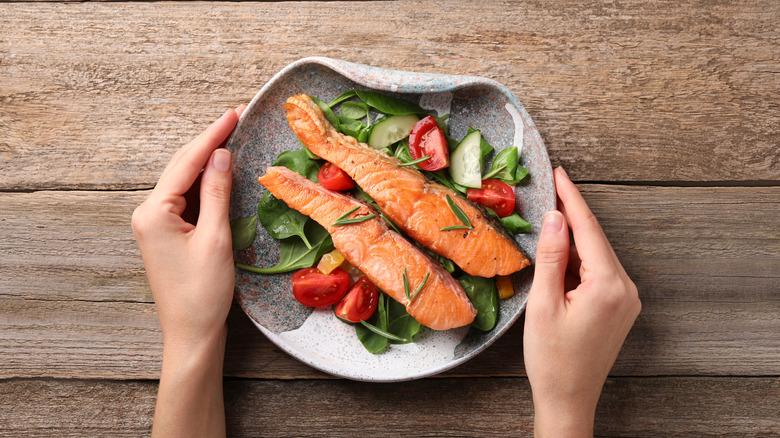
Good news for seafood lovers; eating fish during pregnancy can be a healthy choice. Many types of fish are packed with omega-3 fatty acids, which can help with your baby's brain development. Some fish that are good sources of this include salmon, sardines, and freshwater trout, which are also low in mercury. You should avoid types of fish that are known to be high in mercury, including swordfish, King mackerel, and Bigeye tuna, since exposure in large amounts is not recommended, pregnant or not.
Your food cravings reveal the baby's sex
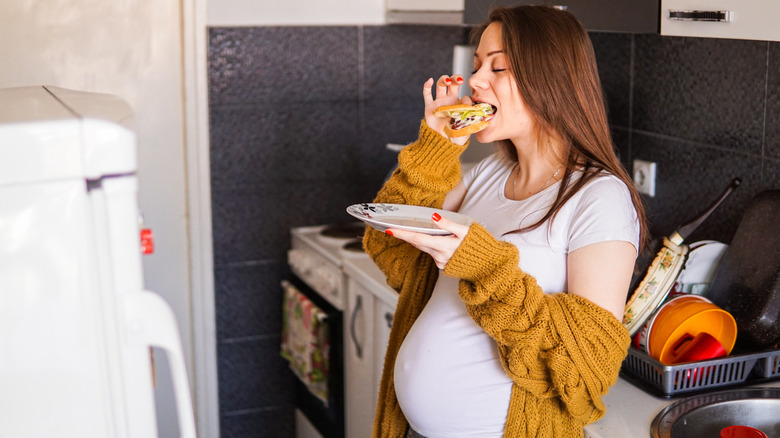
You may have heard that if you crave salty foods like chips or fries, it means you're having a boy, but if you crave sweet foods like fruit or candy, it's going to be a girl. However, studies have found there is no scientific basis for food cravings predicting gender, and it has more to do with hormonal changes and what nutrients your body may be needing.
You should cut all caffeine

There's an old wives' tale that caffeine can cause miscarriage or preterm birth. Good news, you can still have your morning cup. Moderate caffeine consumption while pregnant is just fine. Many women's health organizations recommend limiting your caffeine intake to around 200 milligrams a day.
Your bump shape relates to the baby's sex

You may have heard that carrying high supposedly means girl, while carrying low supposedly means boy. But your bump's position is actually influenced by your body shape, abdominal muscle strength, and the baby's position. The only way to truly know the sex of your baby is via an ultrasound scan.
You shouldn't color your hair while pregnant
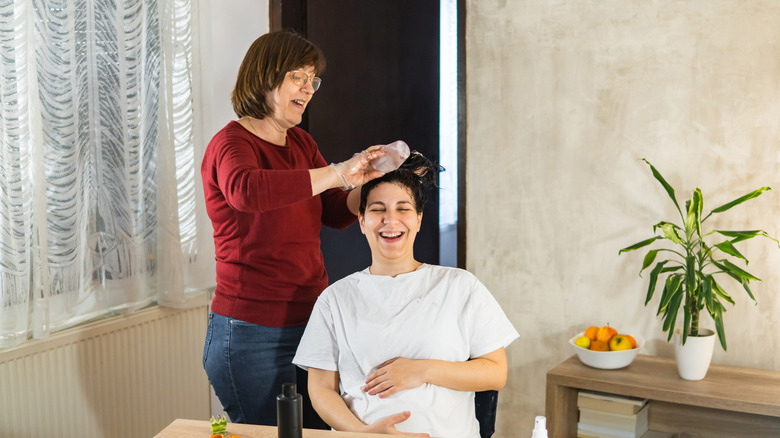
If you've been worried about coloring your hair during your pregnancy, there's no need to let your roots grow out. While it's true that hair dye contains chemicals, only a tiny amount of chemicals from hair dye are absorbed by the scalp — not enough to cause birth defects. That said, if you want to be extra safe, you can consider holding off until your second trimester, once you're past the time frame when your baby's major organs are developing.
You need to eat for two
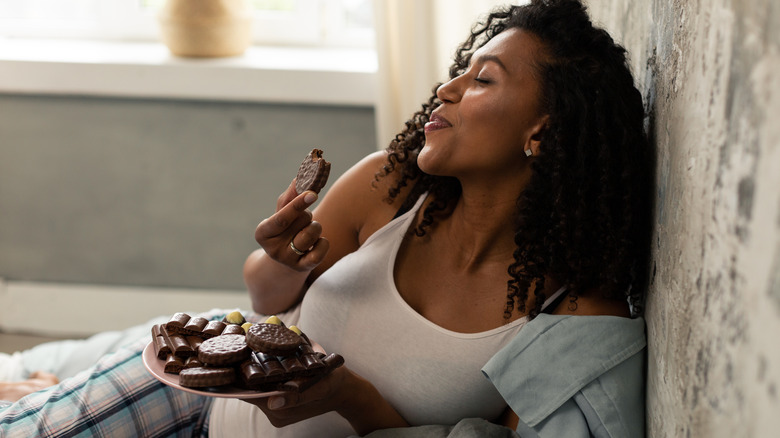
Growing a person increases your nutritional needs, but it doesn't mean you need to double what you eat. This can lead to excessive weight gain, which can increase some pregnancy risks like gestational diabetes, high blood pressure, and delivery complications. During the first trimester, you generally don't need any extra calories; during the second trimester, about 300 to 340 extra calories a day are suggested; and during the third trimester, you generally need about 450 extra calories a day. Check with your medical provider, however, since different factors can change your target number.
You shouldn't exercise while pregnant
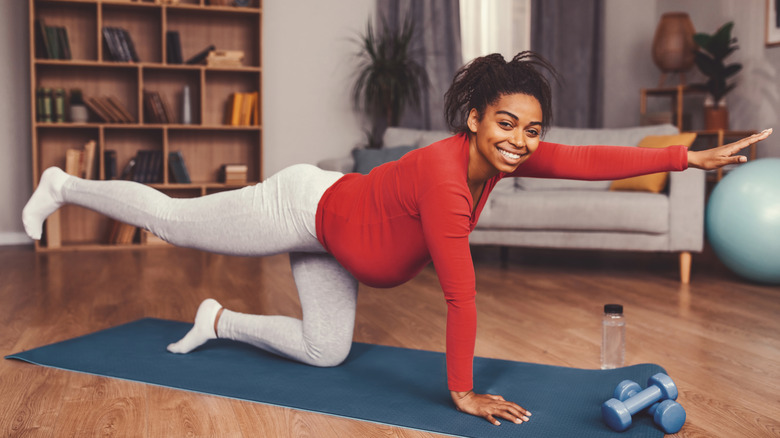
Unless your doctor has given you specific restrictions, regular exercise is as healthy during pregnancy as any other time. That said, activities where you might fall, like skiing or horseback riding, should generally be avoided, but ask your healthcare provider. Additionally, pregnancy can make you feel out of breath faster, so make sure you can hold a conversation while exercising.
You should avoid hot baths
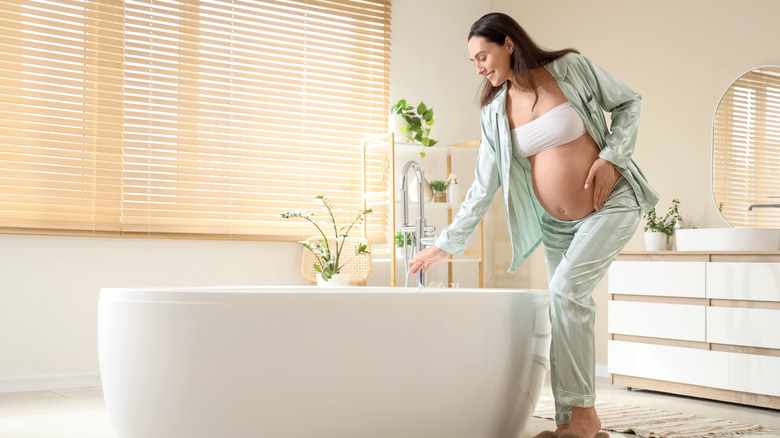
If you're concerned about taking a relaxing warm bath while pregnant because you've heard it can be dangerous for the baby, enjoy it before the baby comes and you have no time! That's because it's perfectly safe to enjoy a soak while pregnant, with a few precautions. Keep the temp below 99 degrees to avoid overheating. And skip the fancy bath products and oils, which can cause irritation.
You should avoid being intimate with your partner

Centuries of folklore have claimed that being intimate with your partner during pregnancy can hurt your baby or even cause labor. But the uterus and amniotic sac fluid protect the developing baby, so there's no reason to avoid this activity, unless your healthcare provider has restricted this activity due to pregnancy complications.