

The School-Year Costs That Sneak Up On Parents After Back-To-School Shopping
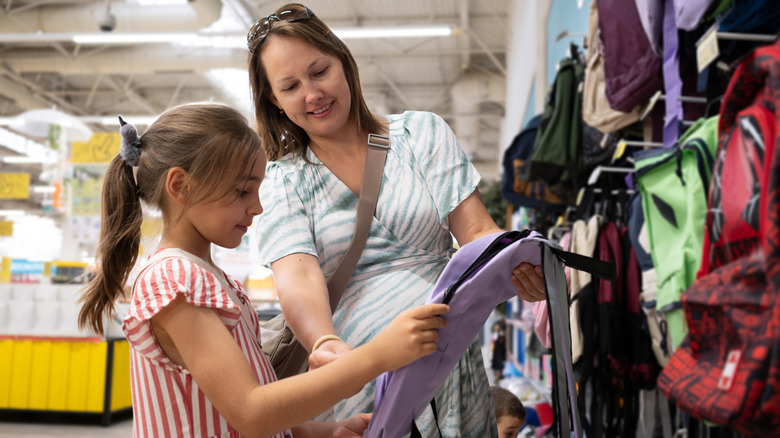
Once you buy your kids the necessary pencils, backpacks, and clothes to start a brand new school year, you may experience a false sense of relief that you're done spending money. Unfortunately, more and more expenses always seem to pop up unexpectedly. The good news is that if you're familiar with your child's school and know their preferred after-school activities, you can better predict these residual costs as they arise. More often than not, some of the most common expenses parents have to absorb once school has commenced include daily lunches, school fundraisers, class parties, and after-school sports, activities, or childcare.
In the United States, some estimates put after-school childcare costs at between $150 to $600 each month. Additionally, the price to participate in youth sports has become more expensive. Based on findings from the Aspen Institute's Project Play survey, the average American family spent slightly over $1,000 per year on a single sport for their child in 2024.
Even though costs related to childcare and after-school activities may be easier or more predictable as your kids get older, there are other school-related expenses that are more difficult to foresee. Wear-and-tear replacements like water bottles and worn backpacks, new clothes as seasons change, and miscellaneous items like hand sanitizer, tissues, and daily snacks add up over time. Fortunately, there are a few ways to better prepare yourself for these hidden costs as they crop up this year.
Resourceful ways to budget for school-related costs
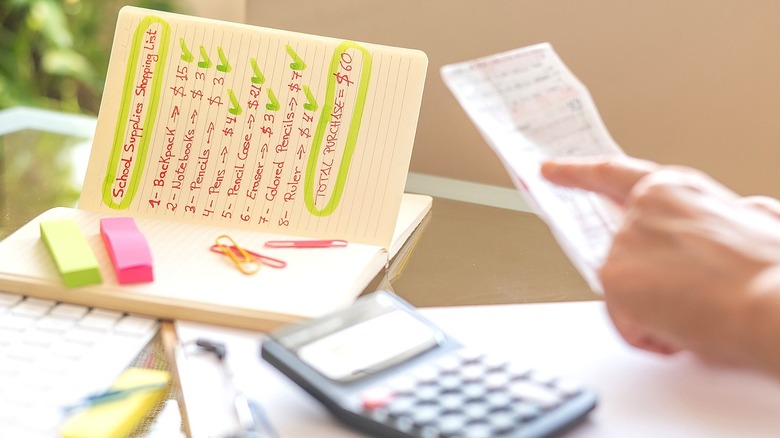
If you want to be better prepared to pay for activities and supplies year-round, your first task is to research options that feel manageable for your family. Ask parent-related forums in your specific city or town for ideas, or reach out to your child's school administrators to inquire whether they offer any low-cost, after-school activities your child can join.
When it comes to calculating how much you should set aside for food each month, use the first few months of school to track how much you're allotting for groceries and daily lunches so you can determine where costs can be cut if needed. For example, allow kids to enjoy their favorite school lunches, while saving money by packing on those not-so-appealing menu days. Many school districts will post their menus for the entire month online, allowing you to plan ahead. This way, you can better budget for the right amount of packaged food that won't prematurely spoil, while stocking up on healthy snacks from Trader Joe's your kids will actually want to eat. Keep in mind that while convenient, grab-and-go items in a packed lunch aren't always the most cost-efficient. In fact, a Deloitte study found the average packed lunch now costs more than $6.
Lastly, to better prepare yourself for the cost of new clothes and replacement items, set aside a separate savings account you can supplement each month. When shopping, look for sneaky clearance deals on supplies, including right after school starts or around major holidays. Larger items like replacement backpacks and coats are often found in thrift stores or resale shops.