The Artificial Sweeteners You Should Avoid If You're Pregnant
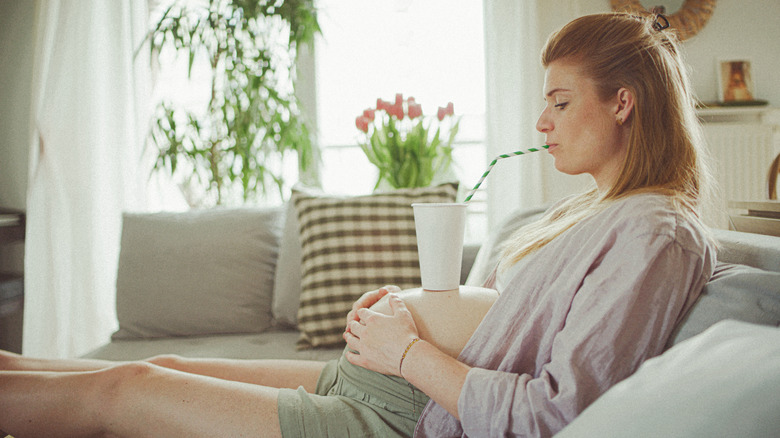
You're expecting, and now you're rethinking your whole diet, thanks in part to watching all those TV shows and movies about pregnancy. As you scour through your fridge and pantry, you realize that some of your usual foods and beverages contain artificial sweeteners like aspartame and sucralose, like your favorite diet soft drink and even some canned fruits. Should you ditch all artificial sweeteners just because you're pregnant? It's complicated.
There are two artificial sweeteners that you may want to take off your table. The first is saccharin, which is used in many artificial powdered sweeteners, including Sweet'N Low and Sweet Twin. Although the U.S. Food and Drug Administration (FDA) has approved this sweetener as safe for most people, research indicates that it bridges the maternal-placenta barrier during pregnancy. And that's possibly disconcerting because its presence may have long-lasting effects. For instance, a 2025 study in Biology in Sex Differences showed that the offspring of pregnant rats that were fed saccharin experienced disrupted glucose regulation and insulin issues during adolescence. Consequently, the American Pregnancy Association recommends that pregnant women avoid saccharin.
The other artificial sweetener to avoid when you're expecting is called cyclamate. If you're unfamiliar with it, you're not alone. The FDA banned its use due to its potential as a carcinogen, so you won't encounter it in American grocery stores. However, if you travel abroad while pregnant to Canada, Western Europe, or numerous other countries, you may encounter cyclamate in sweeteners.
The (sweet and) lowdown on expectant moms using other artificial sweeteners
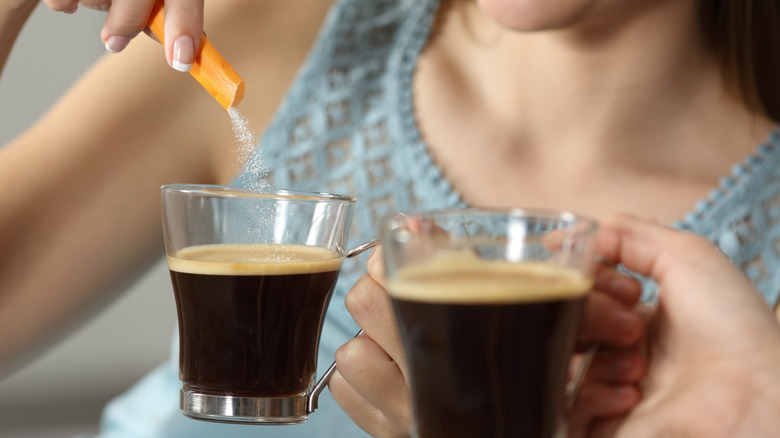
What about all those other artificial sweeteners? Recent lab findings could help you decide. For example, a 2023 study in Nutrients gave 19 pregnant women doses of four artificial sweeteners, including acesulfame and sucralose. All passed through the placenta. Other studies have raised questions as to whether that's healthy.
While a 2025 study in Neurology did not include a focus on pregnancy, the study linked the use of some artificial sweeteners — such as aspartame, saccharine, sorbitol, and other low- or no-calorie options — to an increased risk of cognitive decline. The study's outcome raised questions about the safety of consuming artificial sweeteners in general. When speaking about the study to TODAY, one of the authors of the research cautioned against choosing artificial sweeteners: "It is wise to limit consumption as much as possible, ideally avoiding daily use."
Another piece of research, a review also from 2025 in the British Journal of Nutrition, indicated a connection between how much artificial sweetener a mom used during pregnancy and her child's chance of being overweight. The review examined the results from more than 72,000 self-reported surveys and found that women who drank more than one beverage a day containing an artificial sweetener gave birth to infants of normal weight. But by age 7 and through their teenage years, the children had more fat deposits than their peers whose mothers either drank fewer artificially sweetened beverages or drank sugar-sweetened ones.
Navigating sugar substitutes while expecting
The takeaway? The American Pregnancy Association lists many artificial sweeteners as safe for consumption while you're pregnant, including aspartame, sucralose, and acesulfame potassium. However, you shouldn't use aspartame if you've been diagnosed with phenylketonuria (PKU), which is a genetic disease that hospitals typically test babies for at birth. Aspartame contains a substance called phenylalanine, which people with PKU cannot metabolize.
In other words, you have pregnancy-approved sugar substitute choices if you'd rather not quit artificial sweeteners cold turkey. There's also another option, Dr. Stanley Hazen told the Cleveland Clinic: "Sugar alcohols stimulate the tongue's sweet taste buds, which adds flavor without extra sugar or calories." Sugar alcohols are generally deemed safe during pregnancy and are found widely in foods as diverse as yogurt and gum under names like erythritol, xylitol, and sorbitol. Be cautious, though — sugar alcohols can cause stomach cramping and diarrhea in some people.
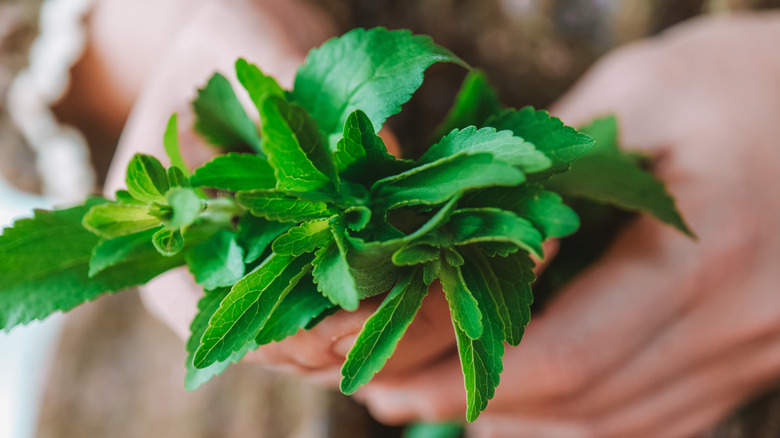
Naturally derived sugar substitutes, like monk fruit or pure stevia, are also generally considered safe for pregnant women. Accordingly, you have plenty of artificial sweeteners to consider. That said, practice moderation: A lot of foods that rely on low-calorie, non-nutritive sugar alternatives for sweetness can be highly processed, meaning they might not contribute significantly to a nutrient-dense maternity diet.