

10 Items You Should Never Store In A Pantry
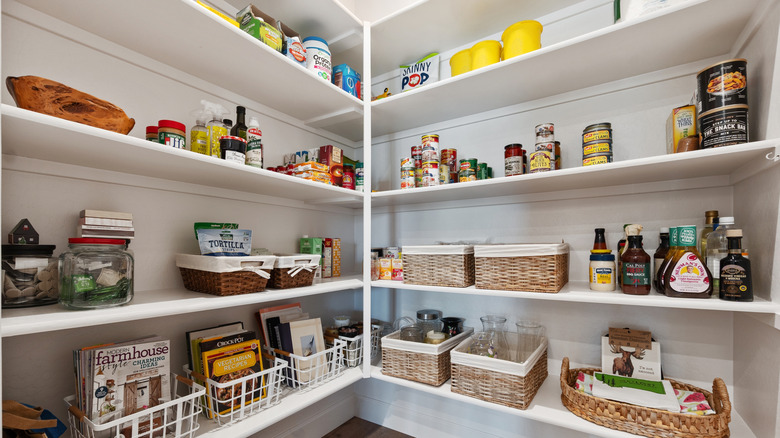
Childproofing your home can sometimes feel more like a total remodel than a simple task. Every socket, candle, and tippable piece of furniture must be safeguarded to keep your little one from harm. One aspect of childproofing sometimes overlooked is pantry organization to ensure your child doesn't get into anything they shouldn't. But it's not just about keeping things out of reach — some items should never be stored in a pantry due to the risks they pose to the entire family.
A pantry is the perfect place for many food items, but many factors can impact them differently, from temperature fluctuations and moisture levels, to how much light goods are exposed to – even if they're shelf-stable. If your pantry is right next to the oven or gets a hearty dose of direct sunlight every day, your food might not be as safe as you think. What's more, we often think about items stored together in a cabinet, closet, or pantry as completely separate from one another, but residing in the same space can lead to harmful cross-contamination. And that's not to mention the problem of pantry pests. Given all this, here are 10 products you should store elsewhere.
Medicine
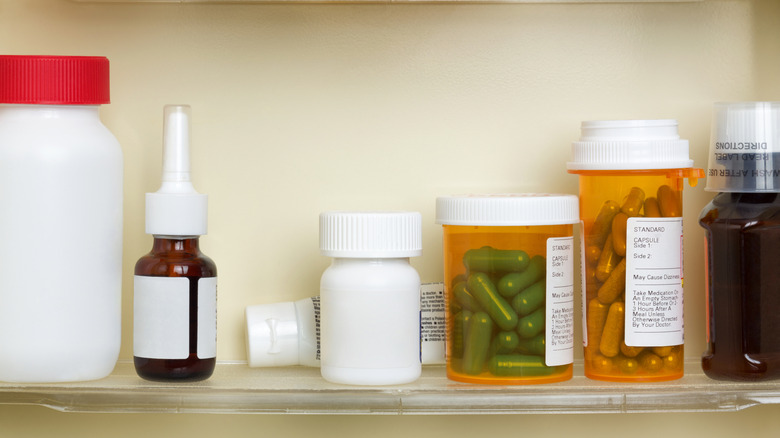
While it may be tempting to use a high pantry shelf for medications, it's best to store medicine elsewhere. For families, the biggest concern is with children's exposure to harmful substances. A pantry is easily accessible, allowing a child to find medicines even when stored up high. If they can find a way to reach it, it's not safe. Instead, keep medications in a room that children do not spend time in, such as an adult's bedroom closet or bathroom, and ideally in a locked cabinet.
Open foods
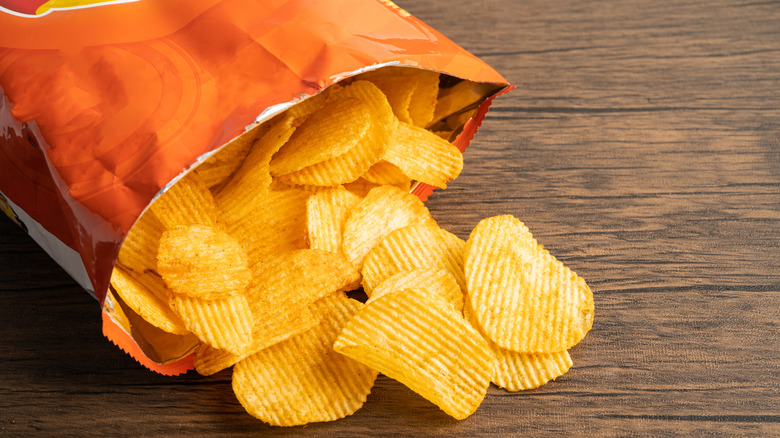
Tempting as it is to toss an opened bag of chips or box of cereal in the pantry, opened food containers can lead a host of pests right to your dry food storage. Keep ants, roaches, mice, and other creepy crawlies at bay by storing opened foods in airtight containers before putting them in the pantry. This habit will keep your foods fresher for longer, and coordinating containers will give your pantry a Pinterest-worthy upgrade, too.
Cleaning supplies
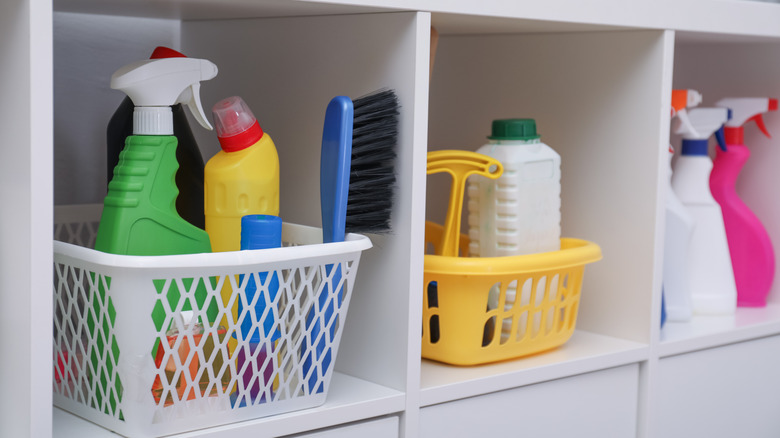
Similar to medicines, cleaning supplies should be kept out of the pantry and well out of reach of children to prevent accidental exposure. This includes everything from liquid cleaners to laundry pods and cleaning powders. But it's not just about preventing kids from getting into these items — cleaning supplies also pose risks to nearby foods. Accidental spills and even leached fumes can contaminate pantry items. It simply isn't worth the risk storing the two together.
Pure maple syrup
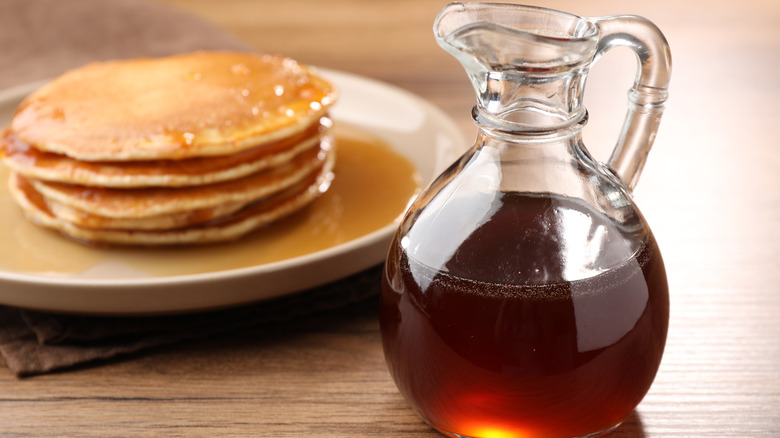
Though it might be as sweet, pure maple syrup is not shelf-stable like honey. It's fine to keep it in the pantry before you open it, but once you do, it's no longer safe to leave out. Syrup is confusing since corn-syrup varieties are shelf-stable, but pure maple syrup can develop mold and spoil at room temperature. Once you open it, always store maple syrup in the fridge.
Nuts and seeds
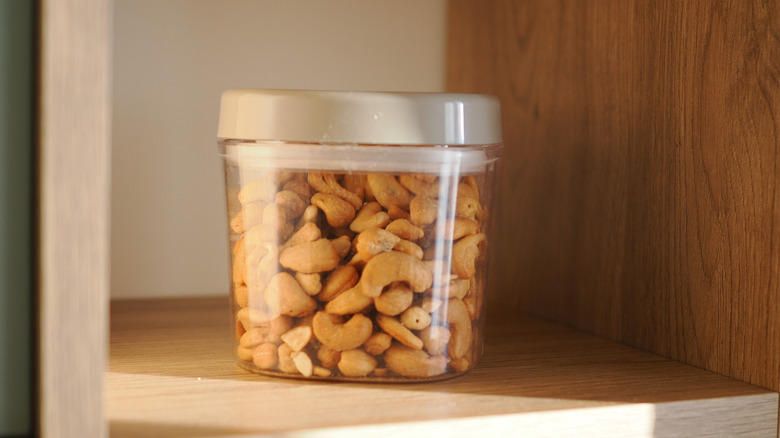
Nuts and seeds may seem shelf-stable, but after a few weeks, it's time to store them in the fridge or freezer. That's because their oils can spoil at room temperature, ruining the entire bunch. If you're thinking, "That's never happened to me," you may be right, and the fat content in the nut or seed is a big reason why. The higher the foods are in unsaturated fats, the less stable and more susceptible they are to oxidation when left out. Unless you go through your nuts and seeds like a woodland creature, preserve them somewhere cold.
Batteries
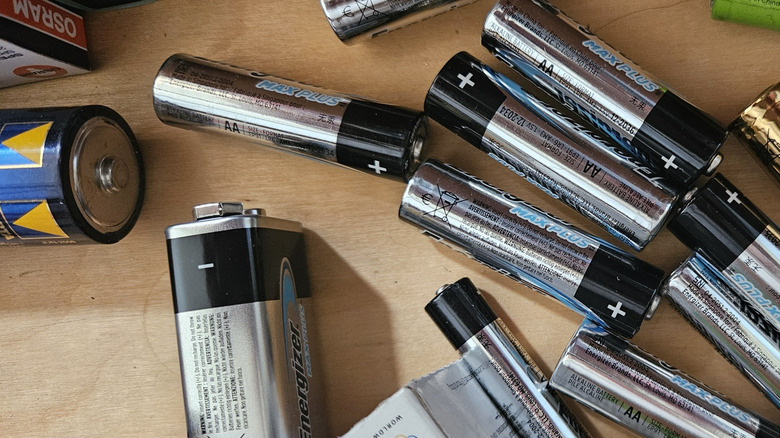
Batteries pose a significant threat to children and edible products, so they have no business being in your pantry. Lithium "button" batteries are a major hazard in modern homes with small children. Ingestion of these coin-sized batteries can cause swift and severe harm to the child. If that weren't enough, batteries can also leach toxic and corrosive acid that can contaminate pantry foods. This goes for battery-powered appliances, too. While you're at it, it's best to designate a separate space for all utility items, including lighters, matches, and tools, so they stay out of your child's reach.
(Some) condiments
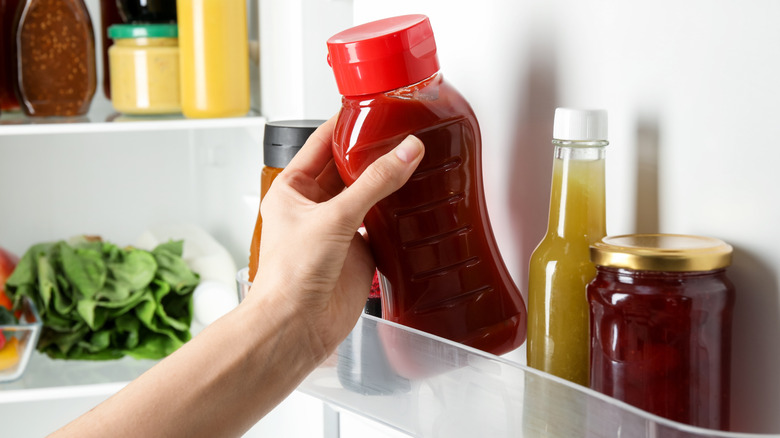
You might find most condiments in the middle aisles at the grocery store, but once you open them, where to store them can be confusing. Many will last a week or more at room temperature, but refrigeration is the best way to preserve taste and freshness for the long haul. A few to never store in the pantry once you open them are mayonnaise, salad dressings, salsa, and jams. When in doubt, always check the label for storage instructions, and it rarely hurts to toss them in the fridge just in case.
Flour and whole grains
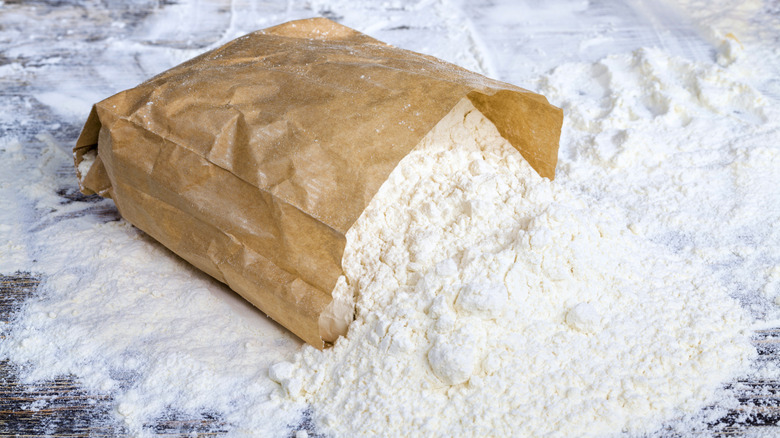
We'd wager most people think of flour and other grains as some of the most shelf-stable ingredients in their pantry, but they are actually sensitive to moisture levels and temperature fluctuations. Not only that, but they are also a magnet for pests. Instead, store grains in airtight containers in the fridge or freezer to preserve freshness and keep pests at bay.
Natural nut butters
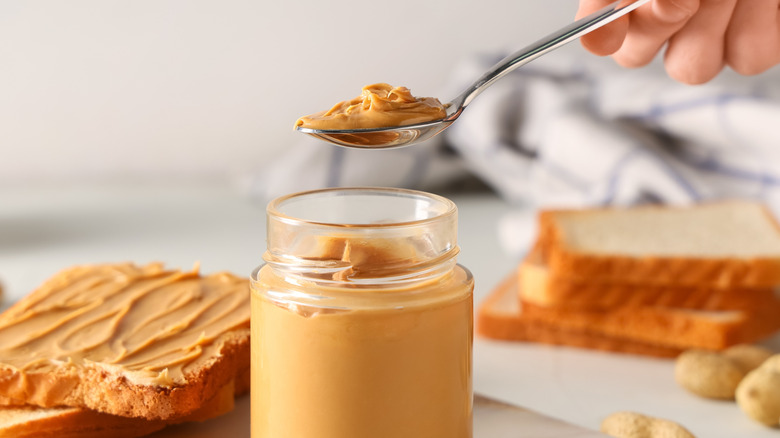
Like condiments, nut butters occupy another gray area of pantry storage. Those brand-name conventional peanut butters that come to mind will be fine in the pantry because they contain stabilizers (most often hydrogenated oils) that prevent the contents of the nut butter from separating. Natural nut butters do not have those stabilizers, making separation a guarantee and spoilage much more likely. While some natural nut butters do have a limited shelf life, it's best to keep them in the refrigerator.
Bread
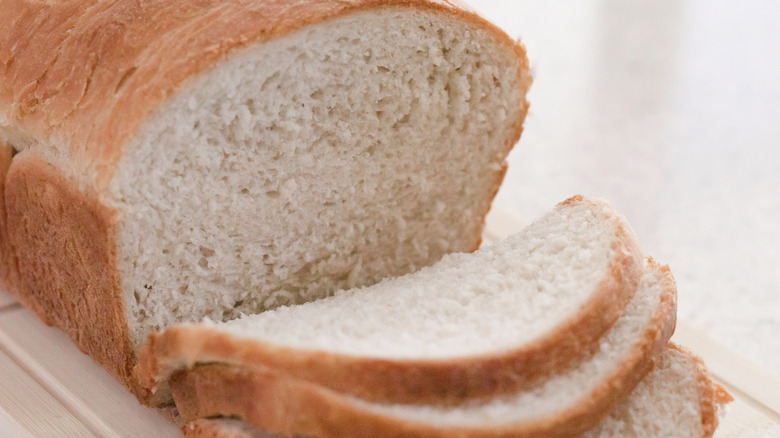
Bread is more likely to go moldy — or be forgotten about altogether — when tucked away in the pantry, so it's best to leave it out on the counter. If you're trying to squeeze a few more days out of your loaf, some breads may fare okay in the fridge, but many will dry out and go stale (tortillas are an exception — their high moisture content makes them great for the fridge, and bad for the pantry). Your best bet to preserve most breads is to freeze it and thaw it for same-day use.