

6 Tough, Non-Toxic Cleaning Substitutes To Tackle All Your Kids' Messes
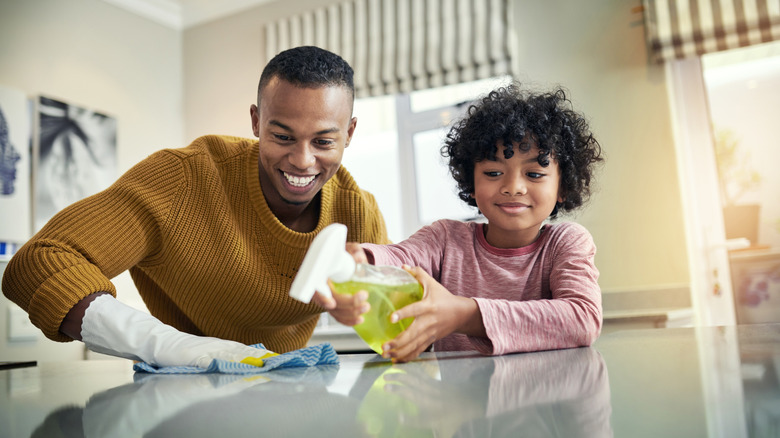
There are plenty of reasons to swap out harsh cleaning chemicals with non-toxic alternatives, especially with kids in the home. If anyone in your family has sensitive skin, allergies, or respiratory issues, certain cleaning products can intensify symptoms. Non-toxic cleaning alternatives made with mild or gentle ingredients are better for the environment as well. Then there's a safety issue — the National Poison Center statistics show cleaning products found in the home account for 10% of poisonings in children aged 5 and younger.
However, you may worry that choosing an alternative over traditional chemicals like bleach and ammonia will mean your home won't be as clean. The trick is to know not only which non-toxic ingredients to use, but when and how to use them. When armed with the right combination of alternative cleaners, you can still tackle any kids' messes, prioritize your family's health and well-being, and keep your home as clean and sparkling as ever.
Laundry powder
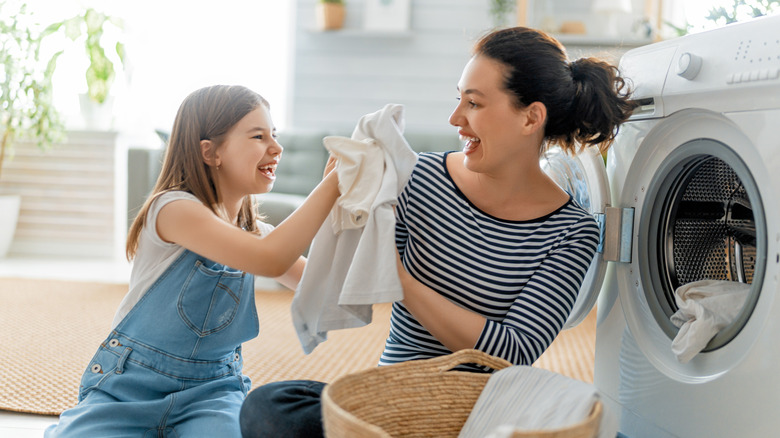
Traditional laundry detergent can cause frustrating and uncomfortable flare-ups of chronic skin conditions, like eczema. If your family is struggling with this, you can give a DIY alternative a try by making your own detergent. Simply grate one bar of castile soap and mix it with ½ cup of baking soda, 1 cup of washing soda, and ¼ cup of coarse sea salt. You can also swap out the baking soda for a cup of borax or use Epsom salt instead of castile soap, or add essential oils for a customized scent.
Lemon juice
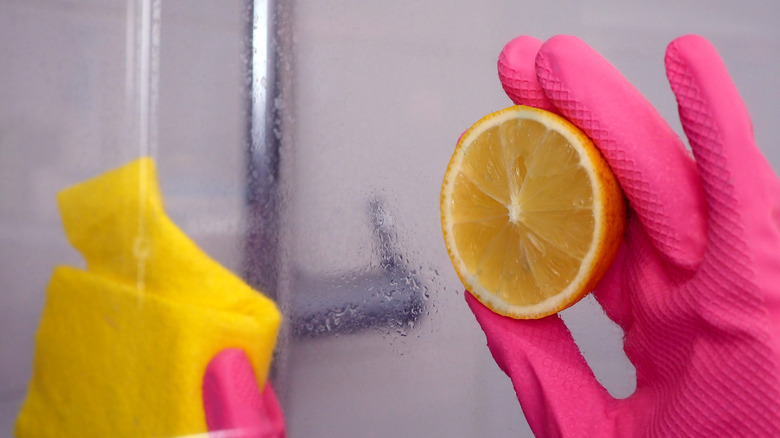
If you're tackling common household headaches like rust, grease, or hard water stains, you might not need a heavy-duty remover. Instead, start with something more gentle yet highly acidic — such as lemon juice. Many natural cleaning pros also swear by it as a natural rinse aid for your dishwasher. Lemon juice is even great for removing grubby fingerprints and tarnish from certain metals, including copper and brass.
All-purpose cleaning spray
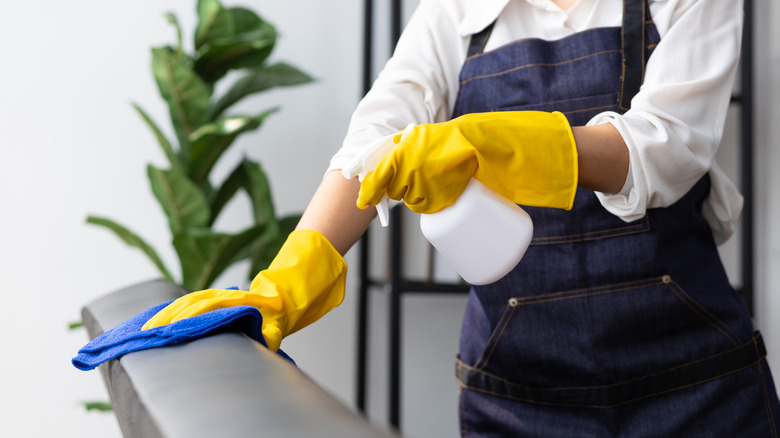
An all-purpose cleaner is a must for any cleaning arsenal, and you can make your own gentle, family-friendly alternative by mixing ¼ cup of vinegar with 1 teaspoon of castile liquid soap and 2 cups of distilled water. This can be used for cleaning up spills in the kitchen, wiping off playroom tables, and scrubbing down the bathroom. However, because vinegar is an ingredient, avoid using it on any natural stone or waxed wood.
Hydrogen peroxide
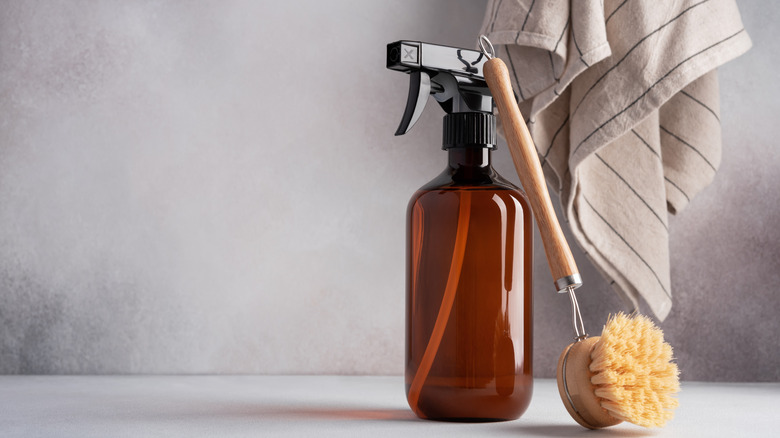
If you're looking for a less intense alternative to bleach, consider hydrogen peroxide. Much like bleach, it's great for whitening and lifting stains, as well as killing mold and germs. Mix hydrogen peroxide in a 1:1 ratio with water in a brown glass spray bottle (to block the light from breaking the solution down), and use it to disinfect things like doorknobs and toys — just spray, let it sit for a few minutes, and rinse thoroughly before handing back to your little one.
Cleaning scrub
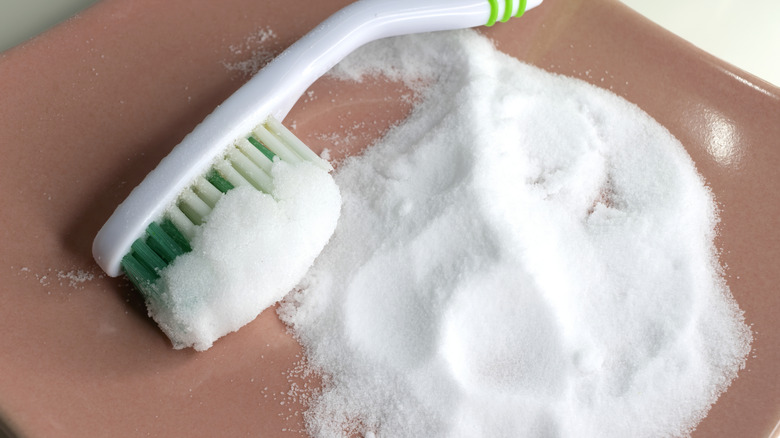
For something more abrasive that can help you tackle stubborn build-ups of grime from greasy chicken nuggets or pizza, you can make your own gentle cleaning scrub. Simply combine 3 tablespoons of baking soda with 1 tablespoon of salt and 1 tablespoon of water. The end result should look like a paste. Apply this where grime persists, let the paste sit, and wipe it away using a wet cloth after a few minutes.
Witch hazel
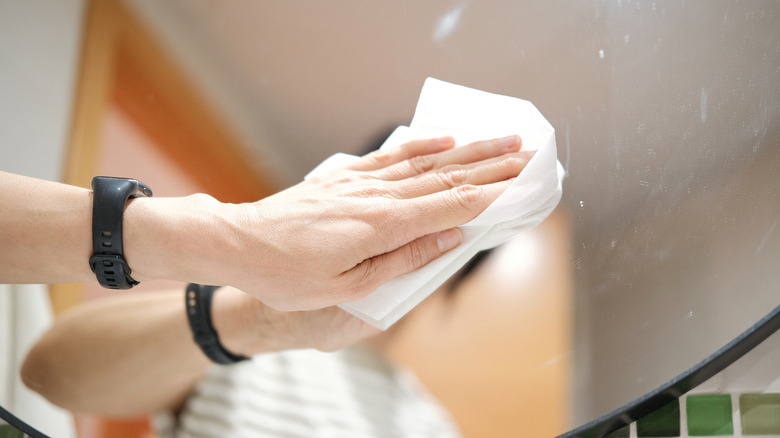
Often found in beauty products and homeopathic remedies, witch hazel is a liquid extract that comes from a North American shrub. Along with soothing bug bites and other skin irritations, witch hazel is great for light cleaning. Use witch hazel to neutralize odors from spills in the trash can or when cleaning up stinky stains. You can even use it as a sticker remover when kids decide to turn a surface into a sticker book, or mix in equal parts with distilled water to create a DIY mirror and window cleaner for little fingerprints.