

Beyond E-Bikes: 10 Dangerous Gifts To Think Twice About Giving Your Kids

When you're out shopping for fun and exciting gifts for your kids, the last thing you might be thinking about is the potential threat these toys or gadgets may pose to their health and general well-being. After all, if something is widely available for purchase and also popular among large groups of children, it has to be safe, right? Wrong. Especially in 2026, new, viral toys make it to store shelves at such an accelerated pace that sometimes it's hard to stay abreast of the associated risks that come with such desired playthings.
For example, electronic bikes are a hot, trendy alternative to regular pedal bikes that every pre-teen seems to have on their birthday wishlist. Yet, these fast-moving vehicles have been a growing cause of countless bone and head-related injuries among children in the last few years. While e-bikes may seem like a fun way for your child to explore their neighborhood, or serve as a faster way to get to and from school, the truth remains that haphazard riding causes unforeseen accidents.
The same goes for countless other toys that are widely available online and fully stocked in popular brick-and-mortar retailers. Before you pull out your wallet to pay for the latest big thing, familiarize yourself with both the literal and figurative cost of these items. On that note, here are 10 risky gifts you may want to avoid gifting to children.
Water beads

Water beads are small, colorful polymer balls that swell (up to 100 times their size) when immersed in water. The problem with water beads is that they look and feel like chewy candies. Not to mention, with enough pressure, they can be crushed into gelatinized bits, which makes the possibility of accidentally swallowing them a real risk. Unfortunately, if swallowed, water beads continue to expand and can result in numerous health conditions, including blocked intestines, lung damage, and septic shock. Most water beads also contain acrylamide, a harmful carcinogen that has deadly effects if ingested.
High-powered magnets

Unlike magnetic tiles and building materials marketed to young children, high-powered magnetic fidgets made with "rare-earth" magnets have become more popular in recent years. These elusive magnets are commonly used in high-powered appliances like vacuums and even computers. As toys, high-powered magnets are often sold in sets of tiny balls or spheres that kids can mold and shape in a variety of ways. However, these loose magnets can pose a real threat to your child's health if swallowed, because their strong magnetic pull can cause both severe tissue damage and gastrointestinal blockages.
Button battery toys
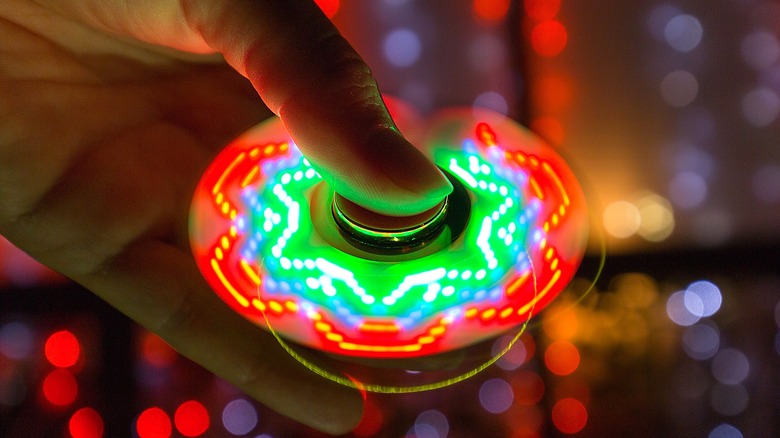
Button batteries, also known as lithium batteries, are commonly used in a variety of kid-friendly products, including but not limited to light-up clothing, fidget toys, flameless candles, remote controls, and interactive stuffed animals. Button batteries are small and circular, making them easy to lose or accidentally ingest. If swallowed, they can generate an electrical current that has the potential to cause severe burns to one's internal organs. If your children's toys require button batteries, make sure the battery compartments are hard to access and safe from constant outside exposure.
Electronic scooters
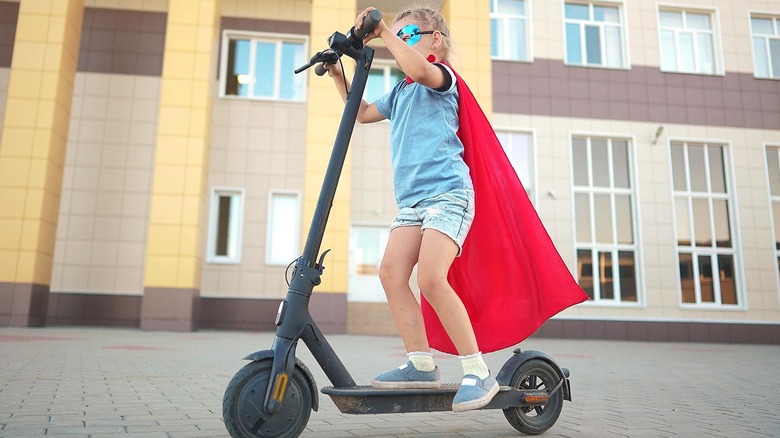
While e-scooters may seem like a safer alternative to high-power e-bikes, they pose similar risks to children's safety. Next to their speed, kids (and adults) may see these two-wheeled devices as a safer option, which may cause some children to resist regulatory safety precautions, such as wearing a helmet or keeping a close eye on their surroundings. Because of children's inability to navigate traffic safely, the American Academy of Pediatrics recommends that no child under 16 own or ride an electronic or motorized scooter.
Hoverboards
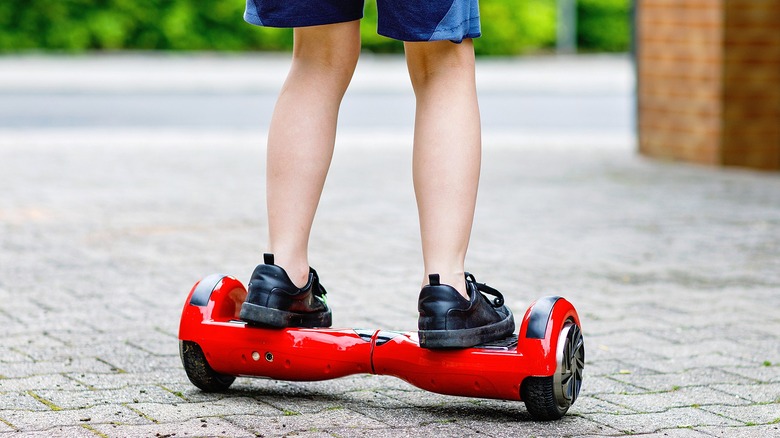
Hoverboards are another motorized two-wheeled device, yet they have no handlebars, and the wheels are oriented horizontally to each other. These modern devices can reach up to 12 miles per hour and are self-balancing. Since hoverboards have a low center of gravity, children who struggle with balance are more susceptible to scrapes, bone fractures, and wrist-related injuries. If you decide to gift your child a hoverboard, make sure you also include a helmet, wrist guards, and knee pads for a safer riding experience.
Trampolines

While a trampoline may seem like a fun gadget to have in your backyard, this action-packed "toy" comes with obvious risks. Jumping too high, landing haphazardly, and jumping with friends may lead to bodily injuries involving your kids' bones, spine, head, and nerves. As a matter of fact, the American Academy of Pediatrics discourages the use of trampolines altogether, but especially for kids under the age of six. Younger kids are still developing proper coordination, and the associated risks of getting hurt are much higher.
High-velocity gel blasters and toy guns

While water beads are highly dangerous if swallowed, gel blasters that shoot water beads also pose safety risks, like eye injuries, welts, or property damage due to their high-velocity impact. On a similar note, high-powered guns that shoot foam darts or hard pellets across distances over 100 feet may cause severe injuries and bruising if a child is shot at close range. Therefore, if you're thinking about purchasing such a toy for your child or teenager, protective eyewear and adult supervision are a must.
Smart toys
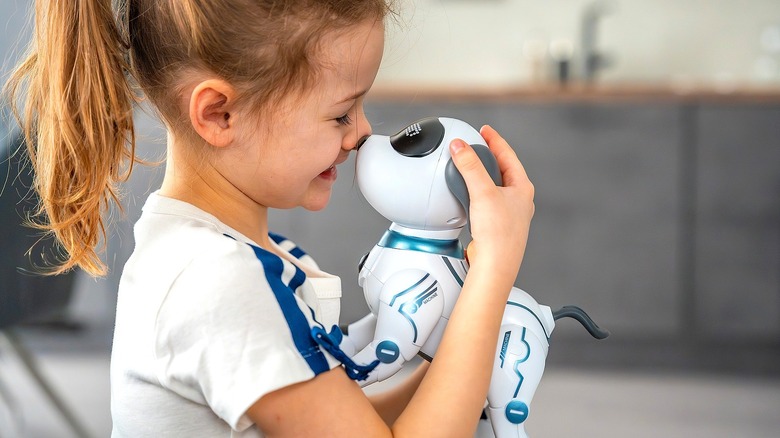
Smart toys are often categorized by their ability to engage with your child through both audio and visual interactions. Most of these toys — whether they're animals, dolls, or robots — have internal computer processors that can collect and store information about your child. Certain models can learn your child's likes and dislikes for better engagement, yet they can also store details that cross privacy boundaries, such as your child's last name, home address, or school. Therefore, always do your research and, if possible, only purchase a smart toy with strict parental controls.
VR headsets
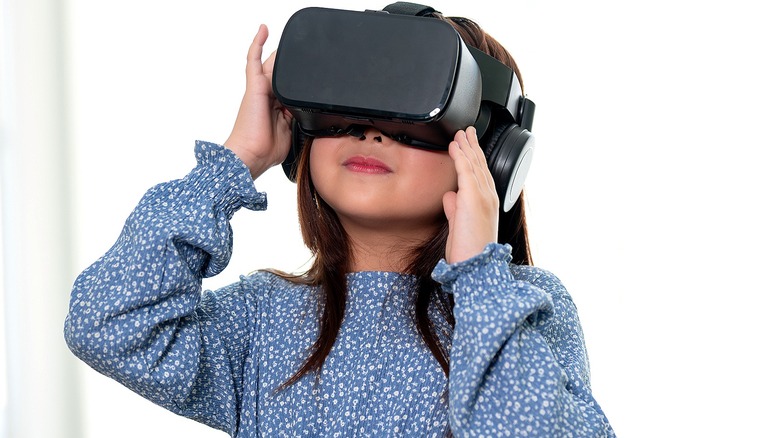
Even though virtual reality headsets have become popular among older kids and teenagers, they pose a range of health and safety risks. Wearing them may cause nausea, loss of balance, and household accidents if a child trips or falls over objects while playing. Conversely, over a prolonged period, using these headsets may cause eye strain or blurred vision. Additionally, while the Metaverse offers privacy and protection features, many kids fail to use these safeguards through their headsets. Therefore, they're more at risk of experiencing unwanted social interactions like bullying or sexual harassment.
Squishy and fidget toys
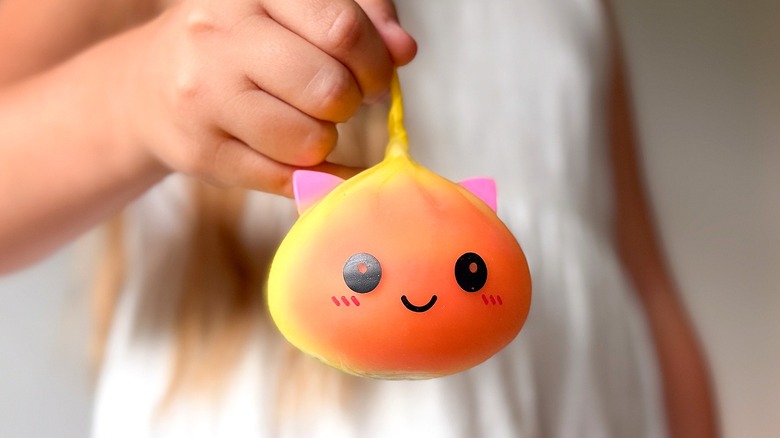
Most squishy toys sold in the U.S. are generally safe to play with. However, if they're heated or punctured, they may burn your child's skin or cause irritation. On another note, in August 2026, the U.S. Consumer Product Safety Commission (CPSC) issued a warning to families regarding fake or counterfeit squishy toys that weren't compliant with U.S. standards. Since faulty products may contain hazardous chemicals, always buy squishy toys from reputable brands that have both quality and safety guarantees.