

More Countries Are Banning Social Media For Young Kids, Should Parents Follow Suit?
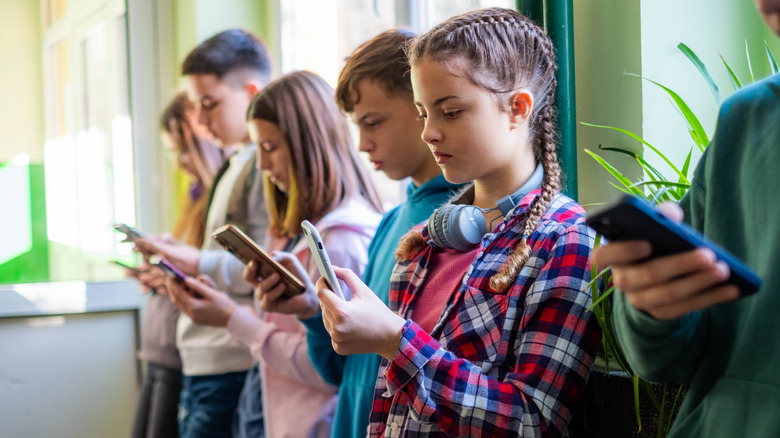
Parenting in the age of social media is a minefield. The impact of these platforms on children and teens is well-documented, with evidence that using social media negatively impacts children's brain development and emotional well-being. This is why countries around the world are now implementing age-specific social media bans, and parents are reassessing what they can do at home.
In June 2026, then-Prime Minister Keir Starmer announced he would initiate a social media ban for children under 16 in the U.K., starting in 2027. As a mom of two living in London, my phone immediately blew up. Across class group chats, parents shared links and quotes, reacted with clapping and fire emojis, and agreed the news is fantastic.
Yet while Australia's social media ban went into effect in December 2025, it's already being cited as a failure, since some teens have found workarounds to cheat the system. But another parent in the chat group with family and friends in Australia said this reaction is overblown. While some kids have found a way back online, she's heard the lack of consistent, overall usage among their peers has dulled the fun and made it boring. Even so, the overall consensus is that this is a necessary step in the right direction. While teenagers will always find a way to bend and break the rules, added regulations can only help our cause as parents — especially if we all understand and agree on the risks.
The pros and cons of social media for kids and teens
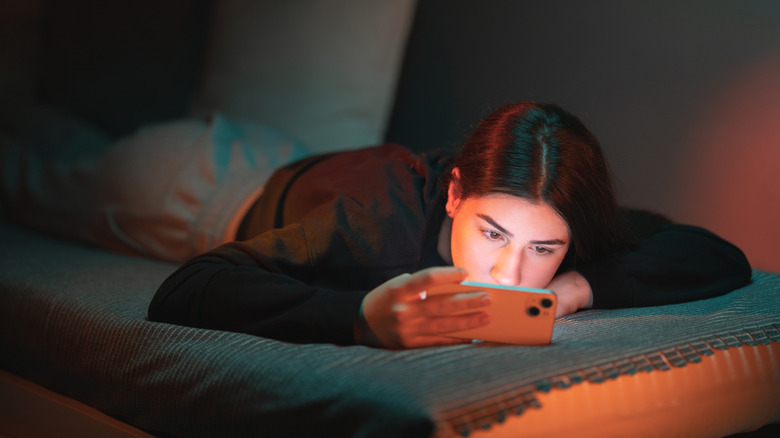
In an ideal world, social media would only be a tool for bringing people together. It would allow children and teens to explore their identities, meet like-minded people from around the world, and connect with friends like we did pre-iPhone — by talking and chatting, even outside of school and activities. It would provide access to interesting information, help encourage hobbies and creativity, and even serve as a resource for advocacy, making organizing and civic engagement easier. Unfortunately, while all of this is possible with well-regulated social media usage for teens, the pros are largely overshadowed by the cons.
Adolescence is a difficult time. Even without social media, teens are at risk of bullying, body image issues, and exposure to inappropriate content and unwanted contact as they learn how best to navigate the world. But along with exacerbating and increasing these existing risks, social media and phone usage also negatively impact teen sleep habits and patterns, which are crucial for development. Because these platforms are designed to be addictive, social media has been shown to cause attention issues and lead to overstimulation that can trigger anxiety and overwhelm.
Alternative approaches and using social media safely
While regulated support might help more parents enforce in-home social media bans, there's a valid argument for holding the social media companies themselves accountable. In fact, it might be a better use of resources if leaders could redirect their focus to creating safer platforms — not just for teens, but for everyone. But along with encouraging politicians to implement tighter corporate restrictions, there are other ways parents can focus on social media safety at home, even if they don't live in a country with an under-16 ban.
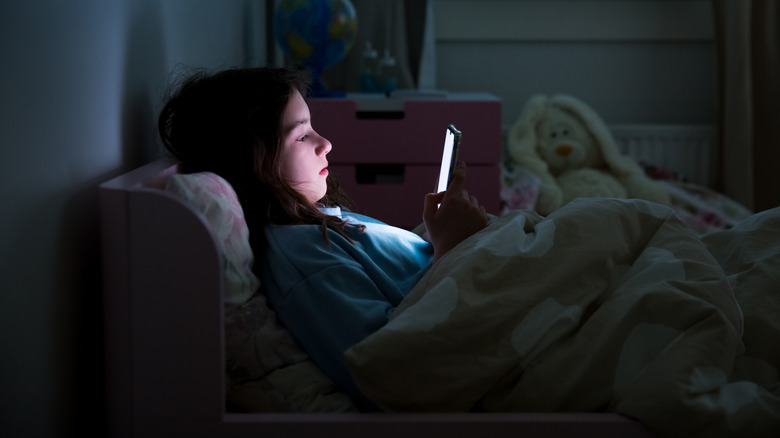
It's important to start having open conversations early and often about the dangers of social media, as well as when and how your children can start using it. It's also recommended that children and teens keep devices out of their bedrooms, mainly to help combat the associated sleep issues. And, as with most things when it comes to teens, keep the lines of communication as open and non-judgmental as possible. It's imperative that your kids know they can come to you if and when they have a problem stemming from social media — and of course, do your best to lead by example and follow the rules yourself. Set time limits, keep your devices out of the bedroom, and ban usage during family time, such as meals, outings, and game nights.