

Here's What It Cost To Raise A Child In The '70s (And How It Compares To Today)
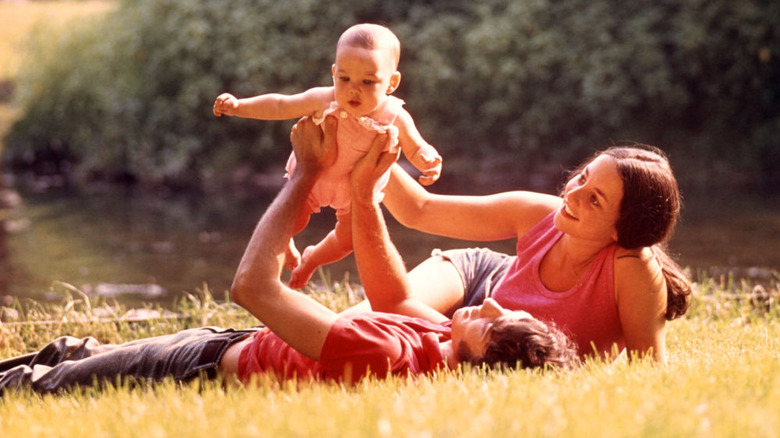
Some think that parenting was easier in the 1970s, but are we seeing the past through rose-tinted glasses? While some things are tough to compare, like life before vs. life after the internet, the cost of living is far more objective.
Back in 1977, two different studies estimated the cost of raising a kid for their entire childhood in the U.S., and ranged from $56,000 (as a nationwide average) to almost $85,000 in New York City. Adjusted for inflation in 2026, this number ranges from around $320,000 to $485,000. Supporting this, a 2026 LendingTree report estimated that the cost of raising a child today is over $303,000. Once again, this number was a nationwide average, since a state with a high cost of living could be substantially more. Hawaii cost over $412,000, and New York State was lower than average, just over $278,000.
Although these adjusted numbers are surprisingly comparable across the decades, one huge difference is childcare availability for young kids. In the 1970s, more women were working than in previous decades, but they had limited daycare options. According to a 1986 study by the Office of Social Services Policy, only about 13% of moms were utilizing daycare centers in 1977. Instead, 72% relied on having people in their family or community care for their kids in a home setting. In 2026, Pew Research Center found that about half of parents used daycare/preschools, and only 27% had non-family members caring for kids in a home setting.
People in the 1970s likely also felt financially stretched
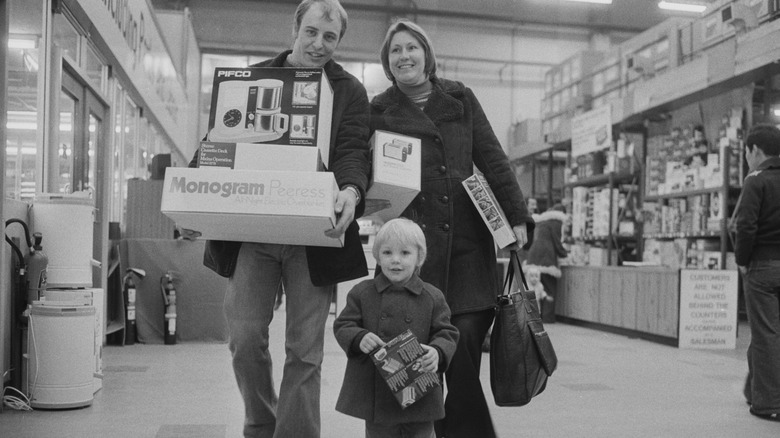
No matter what time we're living in, kids are pricey. These days, parents spend a significant amount of money on day care, especially for the youngest family members. In 2026, LendingTree found that infant day care cost around $17,000 per year, and Care.com found that toddler care was only slightly less at $16,000.
While it's possible that families in the 1970s spent less on care since most weren't using day care centers, there's still the matter of lost income to consider. Back in the 1970s, in families with stay-at-home parents, mothers were typically the parent opting out of the workforce. A 1977 study by the Population Reference Bureau contended that the loss of even a part-time income from women stepping out of the workforce would result in families potentially losing tens of thousands of dollars. That same year, people also had serious beef with the child tax deduction. "$750 hasn't raised a child since World War II," Ray and Barbara Howard declared in The Times-Union in December 1977. "By allowing the standard deduction to fall way behind inflation in child costs, the government has engaged in a subtle form of tax escalation."
Not surprisingly, 21st-century denizens also contend that tax laws do not sufficiently offset the costs of raising kids, especially for low-income families. In addition, although the Child Tax Credit increased in 2026 by $200, money like that is quickly spent on the most basic needs.