

10 Natural Ways To Detect Ovulation At Home
Whether you're trying to conceive, track your menstrual cycle more closely, or simply learn about your body, wanting a better way to detect ovulation is common. While understanding the ins and outs of menstruation is a little easier given the visible physical changes that take place, ovulation is a little more mysterious. Fortunately, there are just as many resourceful, natural ways to identify your next ovulation phase.
To cover the basics, ovulation occurs when the ovaries release a mature egg into the fallopian tube for potential fertilization. If the egg isn't fertilized by sperm within a 24- to 48-hour window, the body absorbs the egg and prepares for the next phase in the cycle known as the luteal phase.
While ovulation typically occurs on day 14 of a standard 28-day cycle, every body is different, and you can experience ovulation earlier or later depending on the length of your specific cycle month-over-month. Even though ovulation tracking kits are available at most major pharmacies, they're pricey and often require multiple days of testing. To get a better sense of how your body works during this elusive process, there are many natural, scientifically inclined methods of detecting ovulation right from the comfort of your own home. Here are nine tried-and-true methods you can try today, for free.
Take your basal body temperature
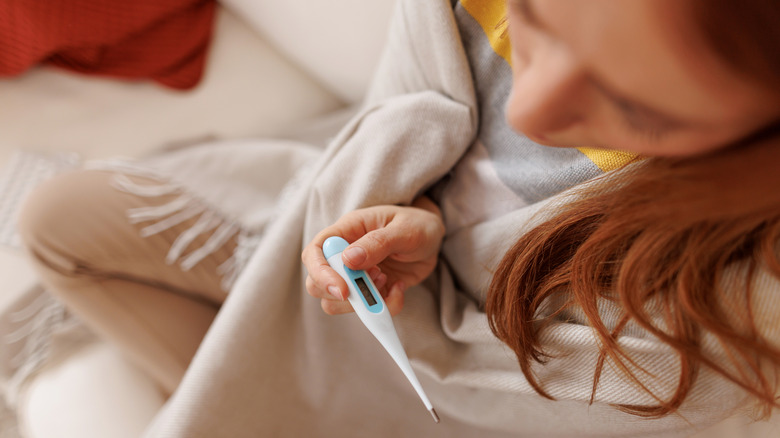
Your basal body temperature measures the temperature of your body in a fully relaxed state. Yet, during ovulation, your temperature rises (up to one degree) higher than normal and will remain high if you're pregnant, or will drop right before your period. For the best results, take your temperature with an oral thermometer every day upon waking and record your findings. You can assume you're ovulating once you see an increase in your body's basal temperature and it remains elevated for at least three consecutive days.
Keep an eye on cervical mucus
Cervical mucus comes in a range of textures, from thick and sticky to thin and stretchy. Just before ovulation, this substance becomes thin and clear. This happens so sperm can travel more easily to the mature egg released during ovulation for fertilization.
To properly test this method, pay attention to your cervical mucus every month and record all changes in a small notebook or on your phone. Additionally, pay attention to how your vulva feels at each stage. During ovulation, the lips of your vagina may feel more moist and tender.
Pay attention to your lower abdomen
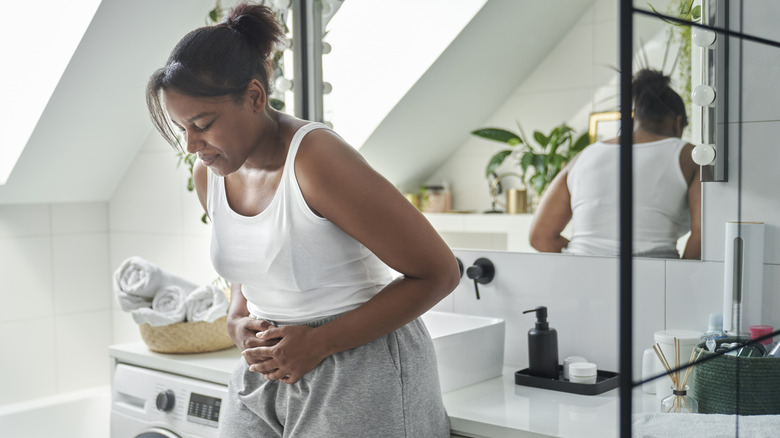
Roughly 40% of menstruating people experience lower abdominal pain commonly known as Mittelschmerz (or "middle pain" in German) during ovulation. When a mature egg is released from its follicle, or fluid-filled sac, it usually breaks through this protective barrier, which may cause temporary pelvic discomfort on either side of the lower abdomen. If you're prone to feeling semi-sharp, one-sided, and consistent period-like cramps halfway through your cycle, there's a good chance you're ovulating.
Chart your monthly cycle
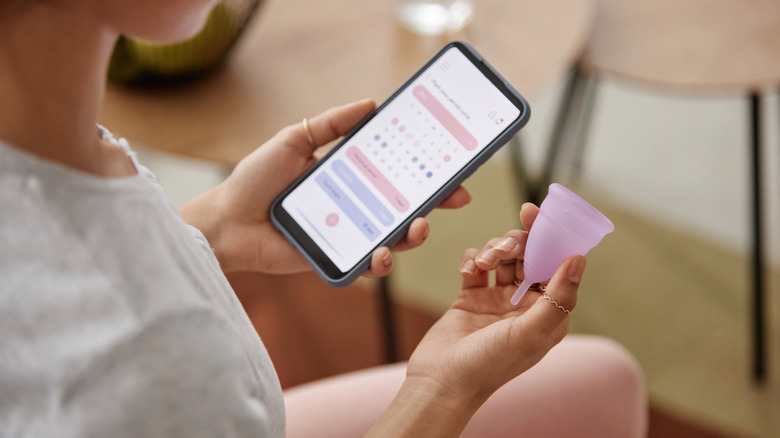
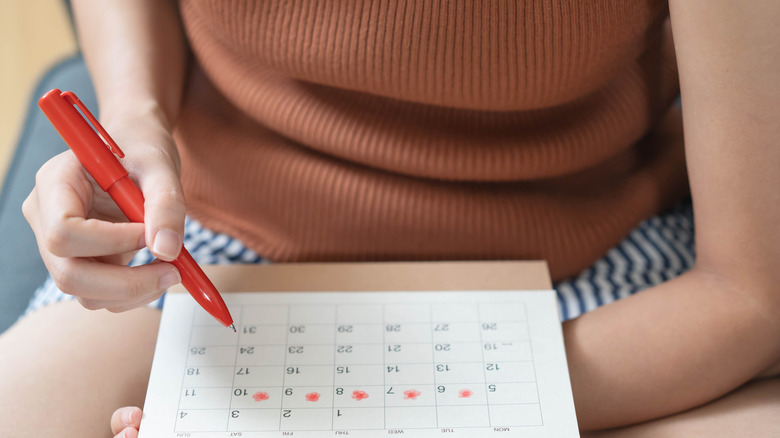
A more data-based way to detect ovulation is to track the exact day you get your period each month. In your phone's calendar or monthly journal, mark the first day of your period and how long it lasts. After you record a few months of your cycle, you can then count the exact days between the first day of one period and the first day of the next. Since ovulation typically happens 14 days before the start of your next period, subtract 14 days from your average cycle length to better estimate the day you'll ovulate.
Watch out for breast tenderness
The sudden rise in progesterone after ovulation may cause the tissue surrounding your breasts to swell. In turn, this may cause your breasts to feel fuller and more sensitive than normal. However, breast tenderness is often a symptom that occurs both after ovulation and during your menstrual cycle. Therefore, you may want to track the rise and fall of this symptom and how it corresponds with any changes in your cervical mucus before, during, and after ovulation.
Monitor your libido

You may notice that you have an increased desire to have sex during ovulation. This is partly due to the rise in estrogen that occurs during the follicular phase of your monthly cycle, which is also when you're most fertile. Additionally, this peak fertile window may simultaneously ignite your innate biological desire to reproduce. Conversely, a sudden downturn in sexual desire may signify the end of ovulation, when progesterone peaks and you enter the luteal phase of your monthly cycle.
Track fluctuations in your waistline
Because your body produces more estrogen at the start of ovulation and more progesterone at the end, you may experience bloating or digestive difficulties. The physical act of ovulation may also cause intermittent cramping and/or occasional diarrhea because prostaglandins (hormone-like substances that peak during ovulation) speed up your digestive tract. Unlike Mittelschmerz, which is a sharper pain that typically occurs on either side of the lower abdomen, bloating and water retention cause your stomach to feel fuller, resulting in a milder yet steadier discomfort.
Notice changes in your cervix
Just like your cervical mucus changes during ovulation, the position of your cervix also changes. Before ovulation, your cervix — the barrier between your uterus and your vagina — is typically firm, lower in your body, and more closed. However, during ovulation, your cervix moves upward and becomes softer.
To track these changes, utilize the S.H.O.W. acronym. During ovulation, your cervix should be soft, high, open, and wet. Simply place one clean finger into your vagina regularly throughout your cycle and take note of any cervical differences.
Focus on your sense of smell

The hormonal changes your body undergoes during ovulation may also temporarily give you a heightened sense of smell. The rapid rise of estrogen in the first half of your cycle can lead you to notice subtleties in everyday scents that may otherwise go unnoticed. As your cycle moves through ovulation and into the luteal phase, where progesterone rises, you may experience even more sensitivity regarding your senses, particularly in relation to both smell and taste.
Look for blood

Because of the sudden drop in estrogen following ovulation, you may experience light bleeding. This hormonal shift may cause some of your uterine lining to shed for one to two days. The good news is that ovulation spotting is often mild and easy to detect.
You may notice a few spots of blood on your underwear or on toilet paper when you wipe. Additionally, ovulation spotting typically happens right in the middle of your cycle and shouldn't be confused with implantation bleeding, which is directly associated with pregnancy and occurs 10 to 14 days after ovulation.