
When Should You Stop Using White Noise For Babies?
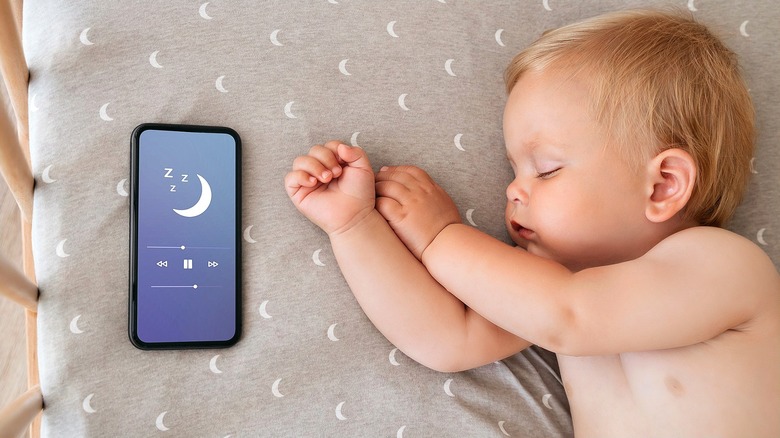
When you have a baby, getting them to sleep through the night and take naps that last longer than 15 minutes are ultimate achievements in the parenting world. After all, ensuring your baby gets enough shut-eye means you get to sleep more as well. Your baby also spends their wakeful hours in a better mood. In that case, you may have grown accustomed to playing white noise from an app on your phone or using a special white noise machine to help your baby sleep more soundly. Yet, as your little one grows older, you may wonder when the best time is to stop relying on such apps or devices. While the use of white noise to help babies sleep comes down to each family's own personal preference, if stopping is the goal, many recommend beginning the weaning process after your baby's first birthday.
Babies may sleep better with white noise because it's similar to the sound of their mother's womb and minimizes sudden, loud noises that would typically cause them to wake. However, once they reach the 12-month mark, babies' sleeping patterns become more predictable, and this is the time you may want to reduce the reliance on such sleep aids.
If your baby has grown accustomed to hearing white noise as they fall asleep, start slow and reduce the volume of your app or machine little by little each day. Once you successfully conquer nap time, you can begin to experiment by reducing white noise more and more at night.
What are the disadvantages of white noise for babies?
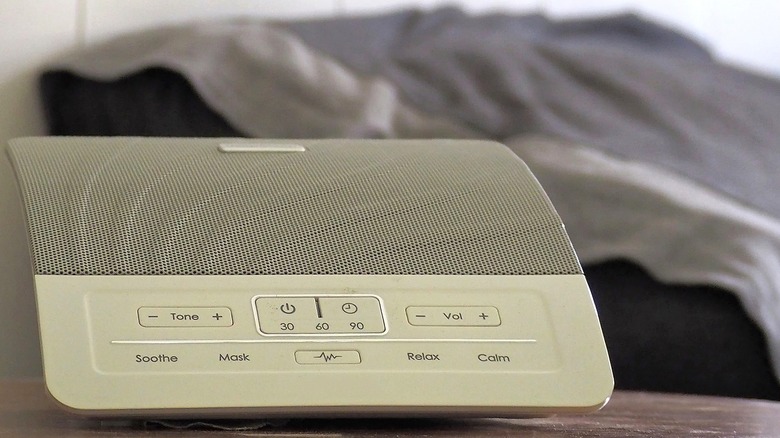
Besides not wanting your baby to become overly reliant on white noise, another valid reason to stop using it is to reduce your baby's overall exposure to noise or sounds played at louder-than-normal volumes. While the general use of white noise can be safe for babies, one 2024 study found that white noise played at decibels higher than 91 could have negative effects on babies' hearing and cognitive development.
Another disadvantage of using the device ties to whether your baby or child continually wakes at night. Certain babies may find the sound of white noise disruptive and may actually sleep better in total silence. If you're dealing with constant wake-ups or frequent tossing and turning throughout the night, stop using white noise to see if your child's quality of sleep improves.
If white noise is helpful for your family's sleep time, recommendations published by the American Speech-Language-Hearing Association include avoiding placing the noise machine near the crib, limiting its use to eight hours, and turning the white noise level down — with several experts recommending 50 decibels or lower. This can be challenging to gauge, but common examples around this decibel range include moderate rainfall or a quiet conversation. As long as you account for these specific concerns and follow volume and placement guidelines, there is no overarching reason to stop using white noise to help your baby or child sleep. As a matter of fact, many babies, children, and teens use white noise well into adulthood to help them sleep more soundly.