

When Can You Stop Burping A Baby?
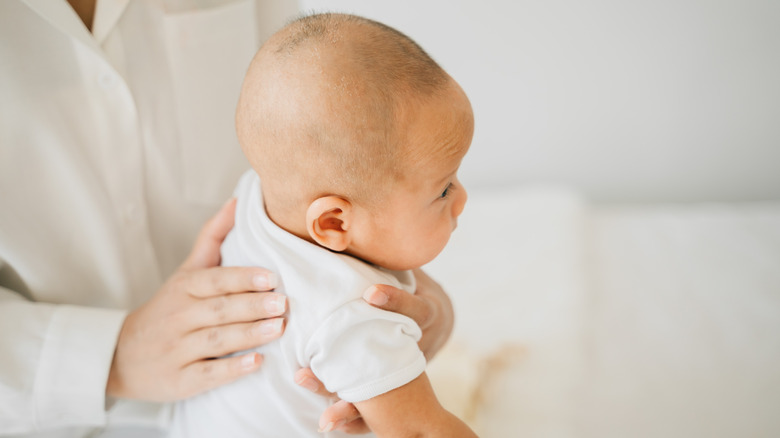
It often feels like the moment you and your baby have established a routine, everything changes. With feeding, for example, burping is a critical part of the process in the early days, but determining when it's time to stop is hard to pin down. Some say burping phases out between 4 and 9 months old, while others say it's fine to stop once your baby can sit up on their own.
As your baby's digestive system continues to develop during the first few months of life, they need support to expel gas that builds up in their gut during feeding. But as they grow and get better at feeding, babies naturally swallow less air. They also start to spend more time upright, even before they can sit up unassisted, and this positioning is useful for learning to self-burp. During this transition period, they'll likely still need occasional burping, especially after a night feed, but by the time your baby can sit for longer stretches of time, they should mostly be able to burp on their own.
You'll know your baby is less reliant on burping if they don't seem fussy or frustrated during or after feeds, don't spit up as often, or can release gas on their own. If your baby doesn't burp even when you're trying, that's another sign they probably don't need the extra assistance any longer.
How to transition away from burping
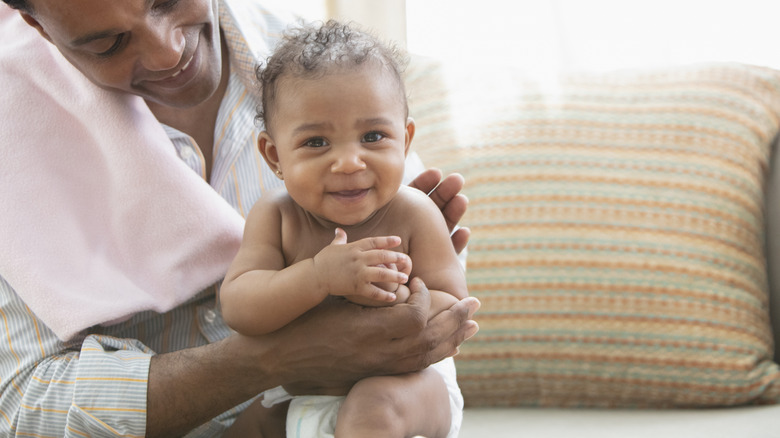
As with most infant milestones, you don't just wake up one day and decide to stop burping your baby. However, you can gradually adjust how often you burp your baby during feedings to see how they do. The best way to do this is by following your baby's cues rather than sticking to a structured burping schedule. Take note during and after the feeding if your baby is fussy, frustrated, or squirming. In that case, you can safely assume that passing gas or a burp would help increase comfort. (As they get bigger or if burping becomes more difficult, you can try bicycling their legs — moving them like they are pedaling — to help their body move gas through the digestive system.) If your baby doesn't display any signs of discomfort, you can skip this burping session.
You can also try pausing in the middle of meal feedings and sit your baby upright to see if they can burp on their own. Introducing your baby to solid foods — recommended at around 6 months old — may also reduce the need for burping since they typically swallow less air.
It's also helpful to remember that every child is different, but if your baby has advanced beyond sitting up on their own and still struggles with gas after feeds, it might be time to check in with your healthcare provider. The same is true if your baby spits up excessively while burping or seems to be in distress during the process. These can be signs of gastroesophageal reflux disease, also known as GERD, which requires a bit more support than regular burping after feeds.