

10 Fruits That Help Keep Blood Sugar Steady During Pregnancy
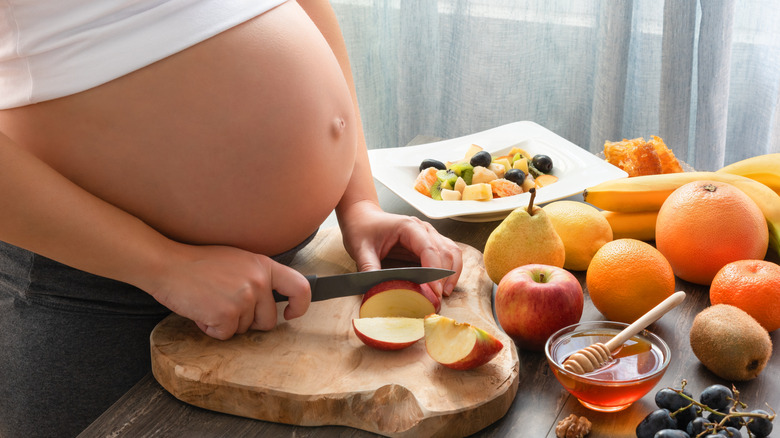
Carrying a baby takes a lot of physical, mental, and emotional fortitude, and most pregnant people strive to maintain a healthy diet to feel their best. If you're pregnant and at risk of high blood sugar, the prospect of eating three nutrient-dense meals a day — on top of an array of balanced, low-sugar snacks — can be overwhelming. If you're at a loss regarding how to diversify your diet and keep your blood sugar steady while pregnant, we've got good news: your meals and snacks can include a variety of sweet, fiber-rich fruits. Most whole fruits are packed with vitamins, minerals, fiber, and plenty of water to keep you hydrated. By choosing a diverse mix of fiber-rich fruits, you can enjoy a steady source of energy and maintain more balanced blood sugar throughout your pregnancy.
To optimize your health and help you avoid pregnancy-related conditions like gestational diabetes or high blood sugar, certain fruits work better than others. To keep your blood sugar from spiking and crashing, it's important to eat fruits that are extra high in fiber and contain fewer carbohydrates per serving. Fiber helps slow the process of sugar entering your bloodstream, ultimately helping you achieve more even-keeled blood sugar levels before and after eating. Maintaining proper portion control and pairing fiber-rich fruits with solid proteins and fats can optimize their nutrients even more. So, without further ado, here are 10 nutritious, low-glycemic fruits worth consuming during pregnancy.
Raspberries can help prevent gestational diabetes
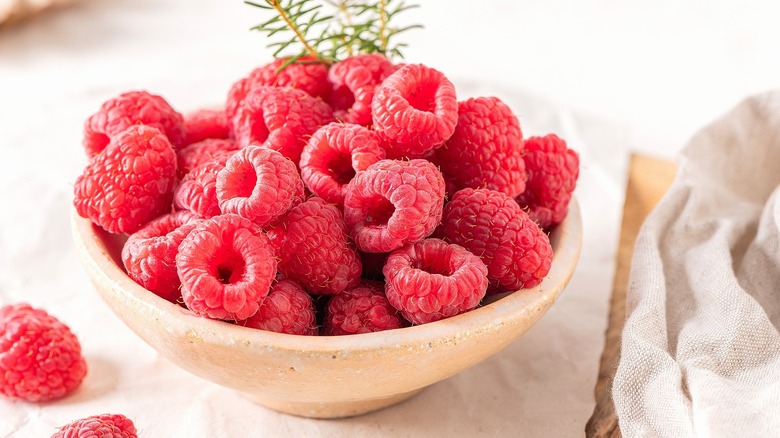
Raspberries are one of the best fruits to eat during pregnancy because they're loaded with fiber, antioxidants, and vitamins like manganese and vitamin C. Just as important, raspberries are low in calories and sugar, making them a perfect snack option if you want to stabilize your blood sugar. These fiber-rich fruits also contain anthocyanins, which, according to a 2018 article from Advances in Clinical and Experimental Medicine, are bioactive compounds that may be beneficial in preventing blood-sugar-related conditions, like gestational diabetes.
Oranges are a great source of folate
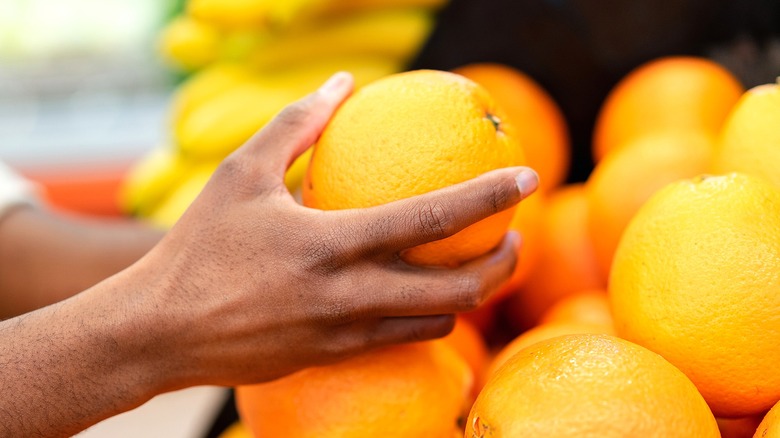
Not only are oranges loaded with vitamin C, potassium, and calcium, but they also have a minimal impact on blood sugar. Even better, a medium-sized orange has around 4 grams of fiber. Oranges are also a solid source of folate, which is a naturally occurring alternative to folic acid or vitamin B9: a supplement most pregnant people take to promote cell growth and prevent neural tube defects in infants. Enjoy an orange over a bed of fresh greens with your favorite protein, or add some to a bowl of cottage cheese.
Apples deliver a dose of pectin
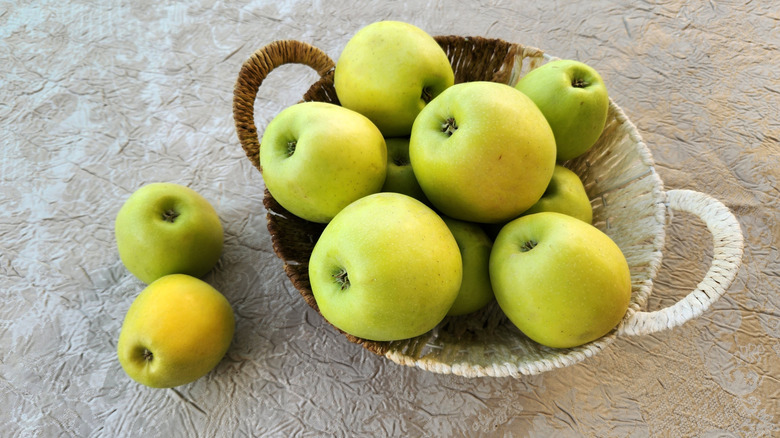
Apples are a strong source of fiber and contain important vitamins and minerals like potassium, vitamin C, and pectin. Pectin is especially beneficial during pregnancy because it supports optimal gut health. While all apple varieties are generally tasty and nutritious options for most pregnant folks, green varieties, like Granny Smith, have a lower glycemic index. Green apples have a more tart flavor and contain less sugar compared to sweeter varieties like Honeycrisp or Gala apples. Just make sure to eat them with their skin on for extra fiber.
Avocados are a nutritional catch-all
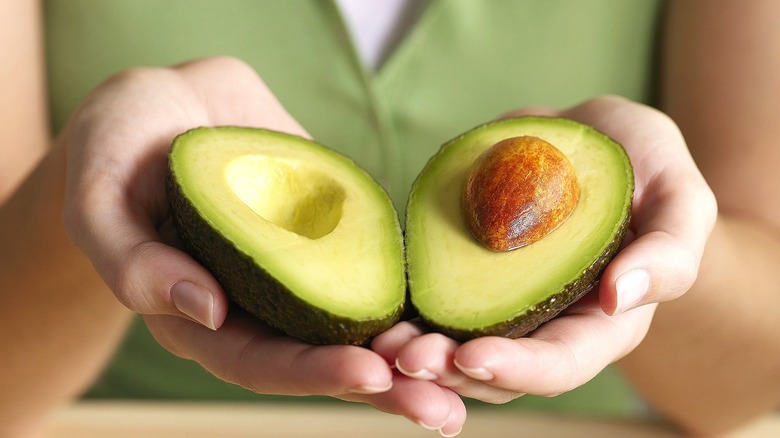
While avocados may not satisfy your sweet tooth, they're one of the best fruits you can eat while carrying a baby. They're naturally low in sugar, and also provide your body with a solid source of healthy fats and a considerable amount of fiber. Avocados also contain essential vitamins that are especially important during pregnancy, such as folate, vitamin C, potassium, and B6. Avocados shine in savory recipes, like avocado toast topped with egg, but can also be enjoyed in sweet dishes, like diced with another low-glycemic fruit over yogurt.
Pears are full of fiber and vitamins
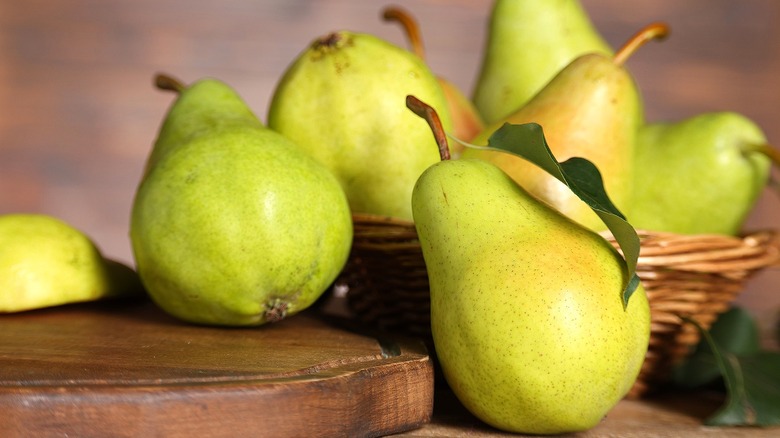
Like apples, pears have fiber-rich skin and flesh that will keep you full and satisfied. Eating pears with their skin on is especially important, considering most of the fiber is located within the skin itself. While each whole, skin-on pear contains around 5.5 grams of fiber, these tree-ripened fruits are also full of vitamin C and potassium. Like raspberries, pears also contain anthocyanins, which work to correct insulin resistance, as cited in another 2017 study in the Nutrients journal.
Kiwis can help regulate digestion
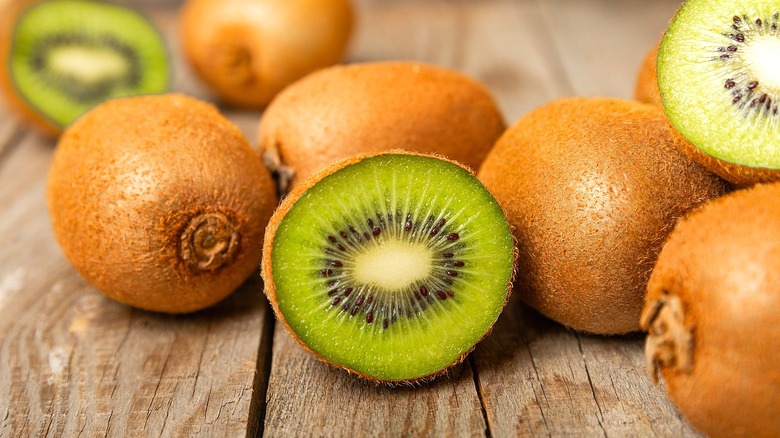
Kiwis are chock-full of antioxidants, vitamins, and fiber. Besides packing considerable amounts of vitamin C, potassium, and vitamin E, kiwis also serve as equalizers for your gut and keep bowel movements regular. The soluble fiber in their skin and flesh resists digestion, which neutralizes blood sugar spikes. Similar to apples and pears, to get the most fiber per serving, eat kiwis with their skin on. If you don't like the fuzzy texture, opt for gold kiwis, which have smoother skin, or slice green kiwis into smaller portions to make the skin more palatable.
Grapefruit is jam-packed with vitamin C
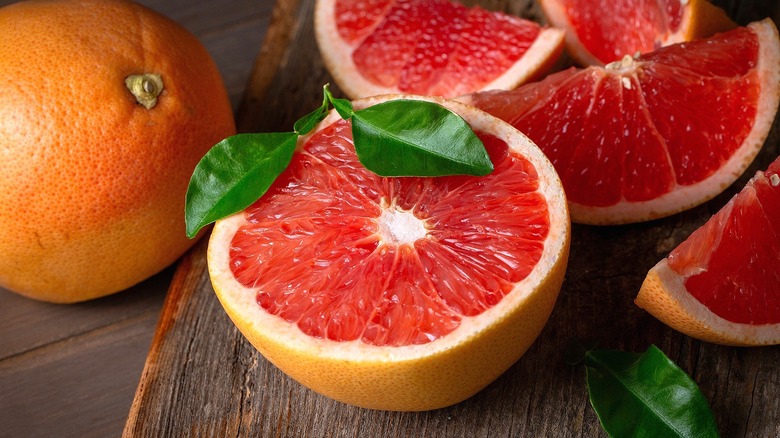
Vibrant in color and bursting with bitter sweetness, grapefruits are a high-volume food that's low in sugar and moderate in fiber. One grapefruit also contains more than half of your daily dose of vitamin C, plus vitamin A, and small amounts of thiamine and folate: an essential vitamin for pregnant people. When it comes to snacking and meals, pair sliced grapefruit with lean proteins and non-starchy vegetables, like eggs and fresh greens, to better balance out your blood sugar during pregnancy.
Blackberries can help reduce inflammation
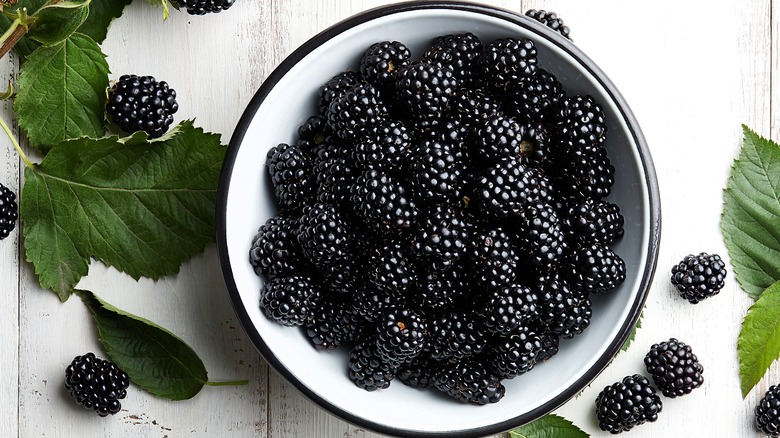
Blackberries are an excellent snack during pregnancy since they're naturally low in sugar and contain nearly 8 grams of fiber per cup. They're also moderate in carbohydrates and carry a small amount of protein. Additionally, blackberries are rich in vitamins C, K, and manganese, and carry significant antioxidants — their polyphenol and anthocyanin content alone make them anti-inflammatory superfoods. Enjoy blackberries over yogurt, in smoothies, or on protein-rich salads. When shopping for blackberries at the grocery store, make sure to inspect each container for mold before purchasing.
Strawberries have unmatched versatility
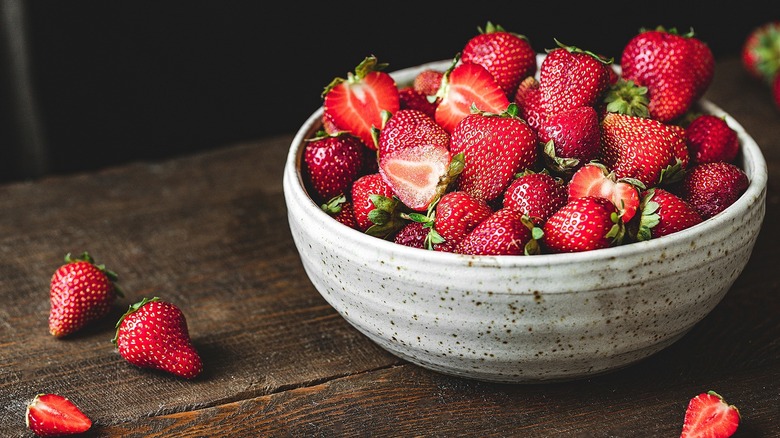
Just as beneficial as blackberries, strawberries sit equally low on the glycemic index since they contain just around 8 grams of sugar per cup. While they're slightly lower in fiber than blackberries (at 3 grams per cup), they actually contain more vitamin C than oranges and many of the same antioxidants. Strawberries are also quite versatile in the kitchen. Their bold color and mildly sweet flavor can easily enhance a number of your favorite low-sugar snacks and meals — savory and sweet alike — including smoothies, salads, and sandwiches.
Cherries can help you sleep
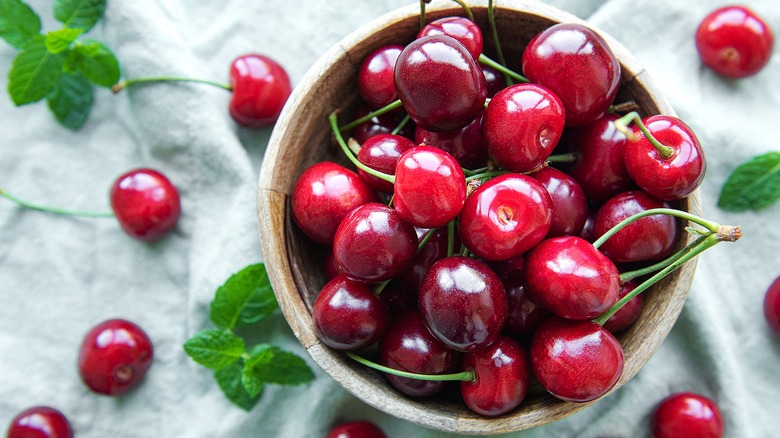
Cherries are a satisfying, easy-to-eat fruit with moderate sugar and fiber. While a cup of cherries contains just 3 grams of fiber, these sweet, nourishing gems house plenty of antioxidants and vitamins like potassium, vitamin C, and copper. What's more, cherries have a small amount of melatonin, which can improve the quality of your sleep, especially when you're dealing with any pregnancy-related aches and pains. Cherries are also great on the go when you need a quick snack. Just make sure to pair them with a satisfying protein like string cheese or almonds.